 Machine Learning and AI
Introducing Apache Spark 4.2
IntroductionApache Spark 4.2 moves more of the modern data and AI stack into the...
cargo-audit breaking build pipelines because of dependency change
I love Rust, but sometimes things like this drive me crazy; I'm now staring down the barrel of a load of CI/CD pipeline failures because apparently cargo-audit has a dependency (kstring) that is so goddamned bleeding-edge it will only support Rust 1.96 or later. I guess the solution is to version pin cargo-audit and specify --locked to version pin its dependencies as well. That feels wrong somehow (audit is the one thing I intuitively DON'T want to version lock, I want the build to break for gen
Reynard: A real Firefox web browser for iOS 13 or later
Coding rust on cloud
I am sure that there is a way to code rust on the could, but is it practical? My laptop broke and now I am on an old and slow pc and I don't want to burden the pc more so I can't download rust nor compile rust code (for obvious reasons), so i've been wondering how could I still code in rust. submitted by /u/Street-Fan4371 [link] [comments]
Notes on structured concurrency, or: Go statement considered harmful
DJB Netstrings (1997)
 Self-Hosting
Rebuilding My Homelab with Compose, Ruby, IPv6, and No Kubernetes
 Software Engineering
Earning taste and judgment
Taste used to be a byproduct of the reps. Agents took the reps. So if you're junior you now have to go get the taste and judgment on purpose. A builder's look at the weakening entry level, the two debts we now owe, and concrete ways to build judgment when the machine writes the code.
 Machine Learning and AI
Stop saying that AI is just a tool and it only matters how it is used
Why Now: The Eight-Year Wait for Unified Observability
An idea someone had fully worked out back in 2018, yet it took eight years before it could actually be built. This piece is about one thing: why now.
From TypeScript to Rust at 16
Hi everyone! I'm Shrey Vats, a 16-year-old developer from India. I've been programming for about 1.5 years. I started with TypeScript, React, and a little Python, but after a while I realized I wanted to understand software at a deeper level instead of only building web apps. That's what led me to Rust, and I've been learning it seriously for the past few months. So far, I've learned concepts like: - Ownership and borrowing, - Structs and enums - Basic error handling - Lifetimes - A little bi
 Machine Learning and AI
Final Authority in AI Governance: Frontier-Provider Sovereignty and Action-Centered Deployer Governance
arXiv:2607.13040v1 Announce Type: new Abstract: This paper examines where final authority should sit once capable AI systems are embedded in organizational workflows. It compares two governance models. The first, frontier-provider sovereignty, assigns privileged authority to the provider of the most capable models and is reflected in contemporary arguments for frontier-model testing, release gating, transparency duties, and compute-related controls. The second, action-centered deployer sovereig
Open Source, Free Tier Capable Whispr Using Cloudflare AI
Software Engineering
Designing Safety-Constrained LLM Systems for Public Health Information Access
arXiv:2607.13038v1 Announce Type: new Abstract: We present the design and implementation of a safety constrained large language model (LLM) system for public health information access, focusing on maternal and child health (MCH) resource navigation. While LLM based systems offer flexible and natural interfaces for information retrieval, their deployment in healthcare contexts introduces risks related to safety, trust, and uncontrolled generation. This work explores practical design patterns for
Rust embedded support
Hi, I wanted to know how good Rust supports writing code for embedded devices. Mostly asking for Raspberry Pi devices, but a general answer is also welcome. Asking this because I'm in the process of writing my own programming language (a transpiler), whose backend is Rust, and wanted to see if I could run or write code in it, since it all translates to Rust in the end. Also wanted to know your experience in writing with it if possible, and if any issues you would have faced writing with it. Th
Machine Learning and AI
LessonBench-V1: A Benchmark Dataset for Evaluating AI Lesson Generation Agents
arXiv:2607.13041v1 Announce Type: new Abstract: Large Language Model (LLM) based AI educational content generation systems are increasingly being developed, yet no standardised benchmark exists to systematically evaluate them. This study introduces LessonBench-V1, a benchmark dataset comprising 647 human-written lessons paired with LLM-based reverse-engineered lesson plans across 240 STEM topics spanning mathematics, physics, chemistry, and computer science. The lessons are drawn from 97 truste
 Machine Learning and AI
An Interactive Map of AI
Wrote a tiny version of argp for CLI parsing in embedded environments
 Self-Hosting
Syncthing for Dotfiles: Sync vs. Manage
Manual Work Is a Bug
 Open Source
Bluesky Trademarks ATProto
Free Remote Desktop Without Servers
Job queues are deceptively tricky
 Infrastructure and DevOps
Announcing Upvest as Confluent’s 2026 EMEA Data Streaming Startup of the Year
Confluent for Startups provides an easy on-ramp to Confluent Cloud for early stage startups with great data streaming use cases.
 Machine Learning and AI
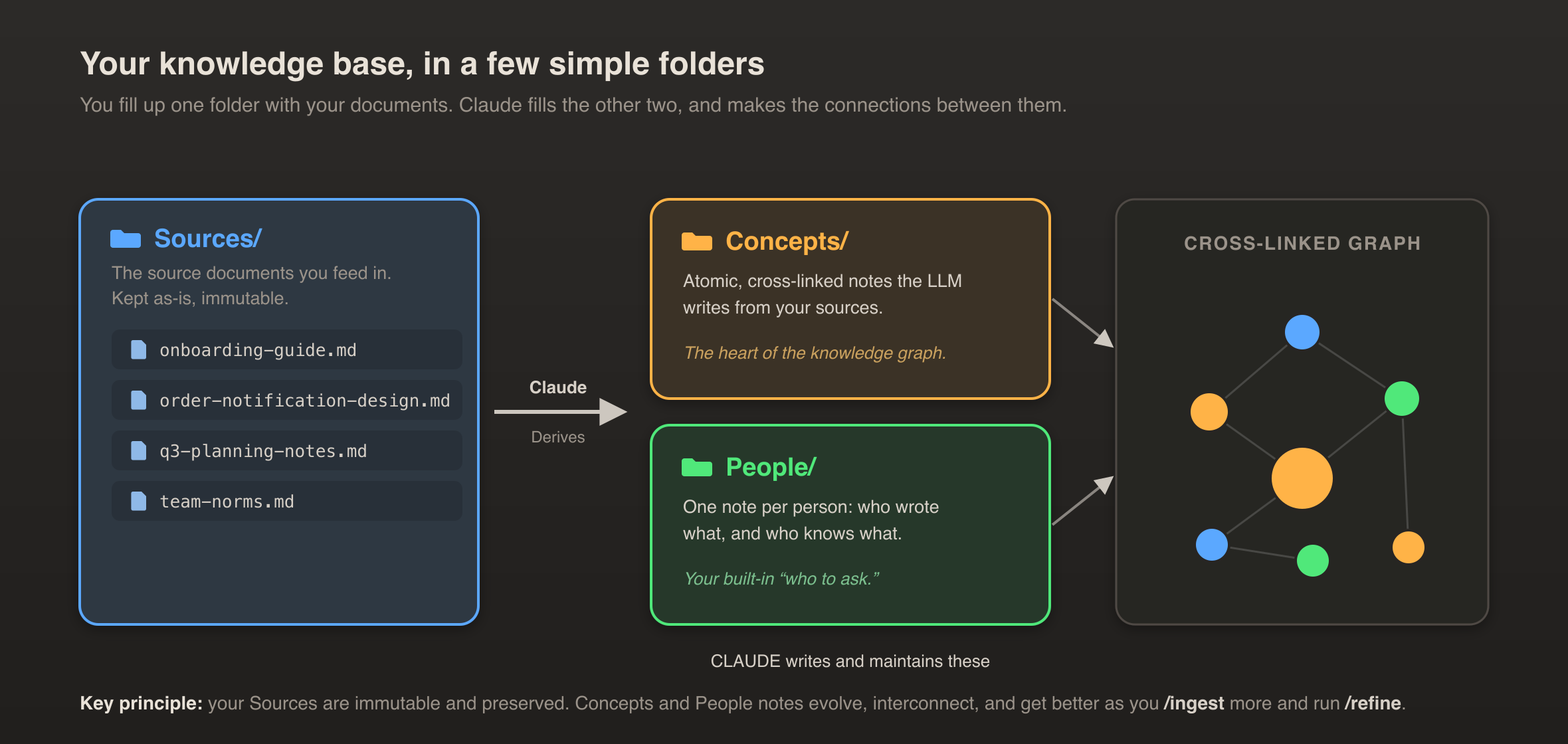
Using Claude to Build an AI Knowledge Base in 30 Minutes
Above: our team’s derived knowledge base. You’ll build your own version of this yourself in the next half hour. Ever had an experience onboarding someone, where you had to provide them a handful of documents, all authored at different times, and in various states of completeness? Ever had your AI agent burn cycles pulling down that same documentation, understanding it, and summarizing it, before it finally responds? If you’ve experienced either, then you’ve probably watched the
Baml: The Programming Language for Agents
 JavaScript
Concurrent JavaScript: It can work (2017)
Show HN: E-- – A language you dial between English and Python
 Machine Learning and AI
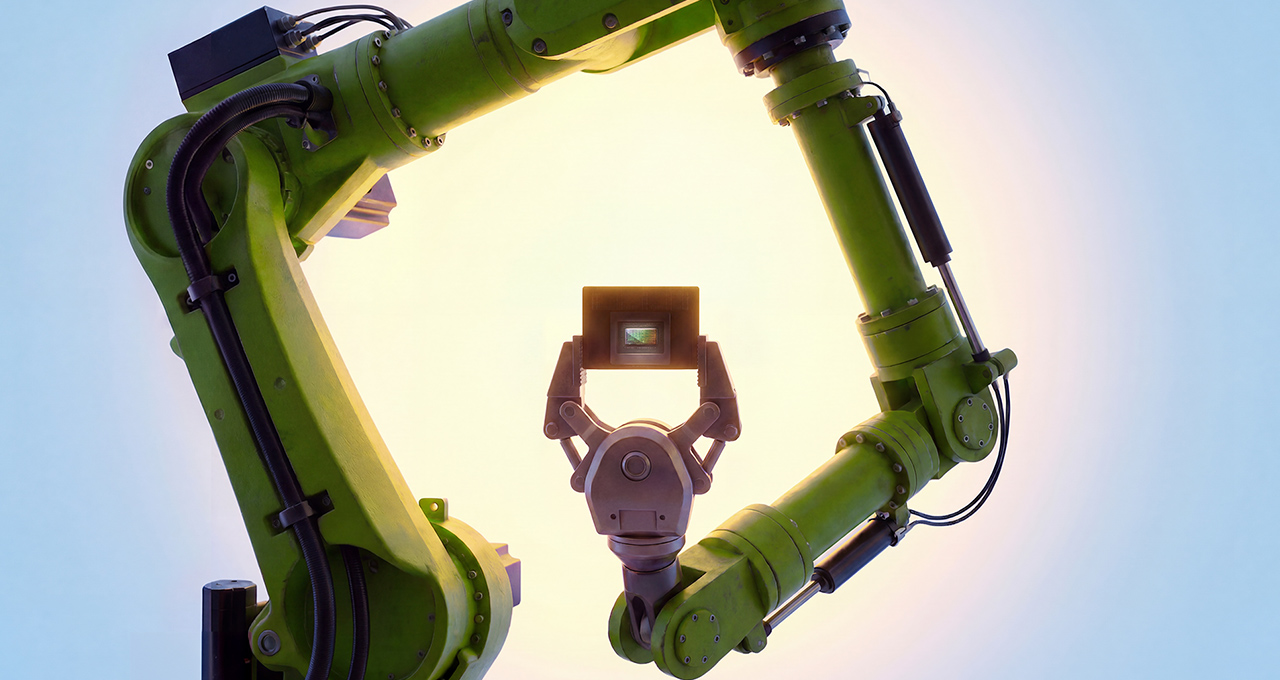
NVIDIA Introduces New Jetson Thor Computers to Advance Mainstream Robotics and Edge AI
General-purpose robots and autonomous machines are moving from research labs to real-world mass-market deployment, creating demand for compact, power-efficient AI supercomputers capable of running foundation models at the edge. To meet that need, NVIDIA today introduced the T3000 and T2000, new modules based on the NVIDIA Thor architecture that enable mass-market robotics and edge AI applications at scale. Jetson AGX Thor is powering this next generation of humanoid and robotic systems, with g
 Machine Learning and AI
Inkling Model Card
 Programming Languages
Command Line Interface Guidelines
TLS Certificate Validation on Linux
Show HN: Low-latency local LLM runner via OpenJDK Panama FFM (Java 22)
 Databases
Making 768 servers look like 1
 Developer Tools
Grok Build
Show HN: SirixDB 1.0 Beta – Git-Like Versioning, Diffs, Time-Travel Queries
 Infrastructure and DevOps
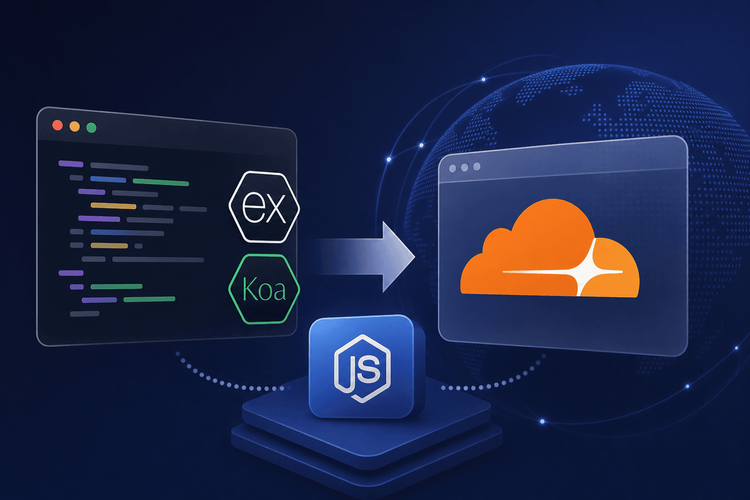
Migrating Express and Koa Apps to Cloudflare Workers: Node.js Compatibility Production Guide
Production migration guide for moving existing Express/Koa applications to Cloudflare Workers using nodejs_compat_v2. Covers compatibility date requirements, httpServerHandler patterns, middleware compatibility matrix, debugging strategies for failed imports, and performance optimization for edge deployment. Continue reading Migrating Express and Koa Apps to Cloudflare Workers: Node.js Compatibility Production Guide on SitePoint.
 Developer Tools
Designing APIs for Agents
 Mathematics
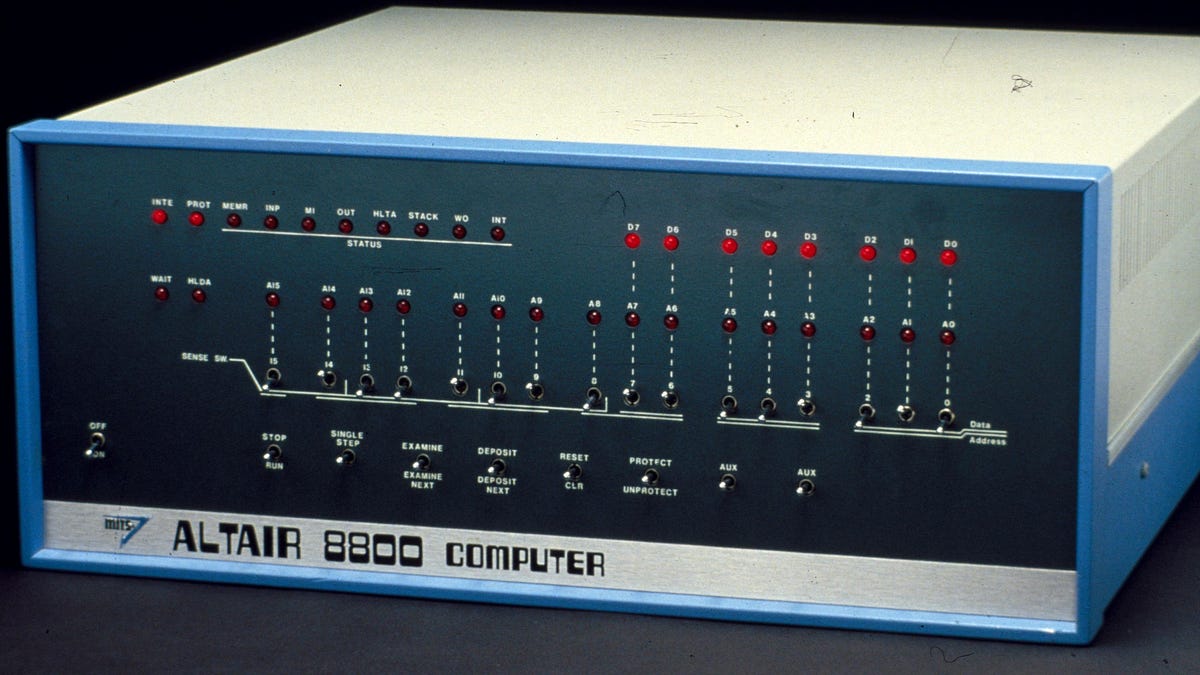
MITS: Rockets, Calculators, and Personal Computers
CSTA 2026 Day Three
Today's opening keynote was all about the new PK-12 Computer Science Education Standards. A lot of work went into these new standards. I really want to dig into them. I did download the PDF but I think it may be easier to use the website. The PDF is 218 dense pages. It sounds like most the curriculum vendors have been tracing the development of the standards so you can probably expect any third-party curriculum to be up to standard soon. Before the keynote, one of the Impact Fellows spoke about
elfuse: Run Arm64/x86-64 Linux ELF binaries on macOS Apple Silicon
Trapped Ions Make ‘Beautiful’ Qubits, But Will They Scale?
When the U.K.’s University of Cambridge joined forces in March with quantum computing maker IonQ to build a quantum computer, it described the pairing as the university’s “largest-ever corporate research partnership.” The momentous commitment raises and important question: what type of qubits will the machine use? The answer is trapped ions, the technology that underpins College Park, MD-based IonQ’s quantum computers. Trapped ions are one of several methods for building a qubit.
SQLite should have editions
 Machine Learning and AI
Inkling: Our Open-Weights Model
Rust Computer vision
Hello, I’m trying to learn Rust by writing a small computer vision project, but I can’t decide which crates to choose. I want to try out most capabilities that relate to cv like object recognition, tracking, and more. I found some blog posts and searched GitHub and doc.rs for crates, but I’m still uncertain. Some crates that come to mind are: 1. opencv-rust, Rust bindings for OpenCV lib, unstable 2. rust-cv, seems not maintained (correct me if I am wrong) 3. rustCV, seems very new I would
Fault-Tolerant Systems: Why Modern AI Workflows Need Better Failure Isolation
Traditional software engineering approaches reliability as a binary state of uptime and downtime. Modern ML pipelines render this paradigm obsolete. Today, architects must deploy robust fault-tolerant systems capable of managing the unique, nondeterministic complexities inherent to AI. In traditional environments, hardware redundancy often satisfies baseline reliability metrics. Today’s AI infrastructure requires isolating algorithmic drift, API degradation, and data pipeline bottlenecks be
 Machine Learning and AI
Data-Native AI Agents: Why Agents Must Move to Your Data
Most enterprise AI pilots clear the same low bar: connect an LLM to your data, drop...
 Blockchain
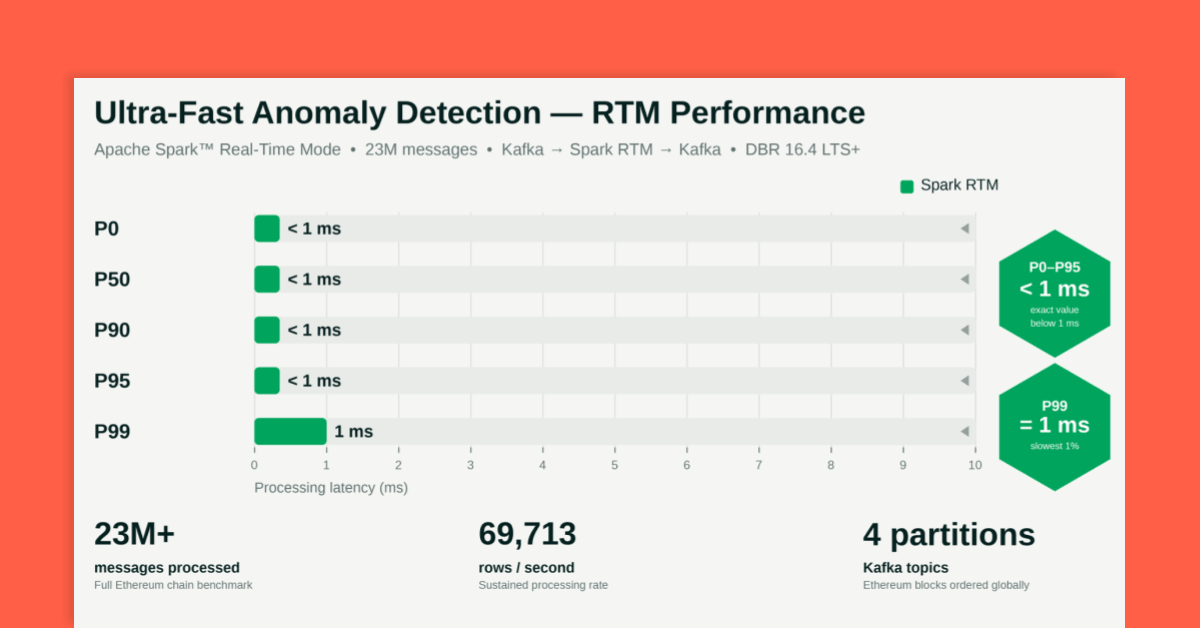
Ultra-Fast Anomaly Detection using Apache Spark Real-Time Mode
This post establishes a reusable pattern for operational workloads that genuinely move the needle: fraud detection...
Now Is the Time to Give LLMs Access to the ACM Digital Library
As AI systems increasingly become a primary interface through which knowledge is discovered and used, the Association for Computing Machinery (ACM) must decide how to engage with these technologies in a manner consistent with its mission and the long-term interests of the computing community. ACM has intentionally taken a cautious approach. Rather than rushing to monetize content, ACM prioritized protecting the integrity of the ACM Digital Library and understanding the views of authors and volun
 Machine Learning and AI
Exploring Hierarchical Interest Representation For Meta Ads Deep Funnel Optimization
Hierarchical Interest Representation is a research area for Meta Ads. We’re exploring an upstream representation layer over the universe of Ads entities – users, advertisers, products, services – learning unified embeddings that connect users’ inferred interests with the breadth of what advertisers offer in their deep funnel ads. The innovations in Hierarchical Interest Representation are an in-house transformer based graph learning with bias-aware attention and self-supervised cross-vie
 Machine Learning and AI
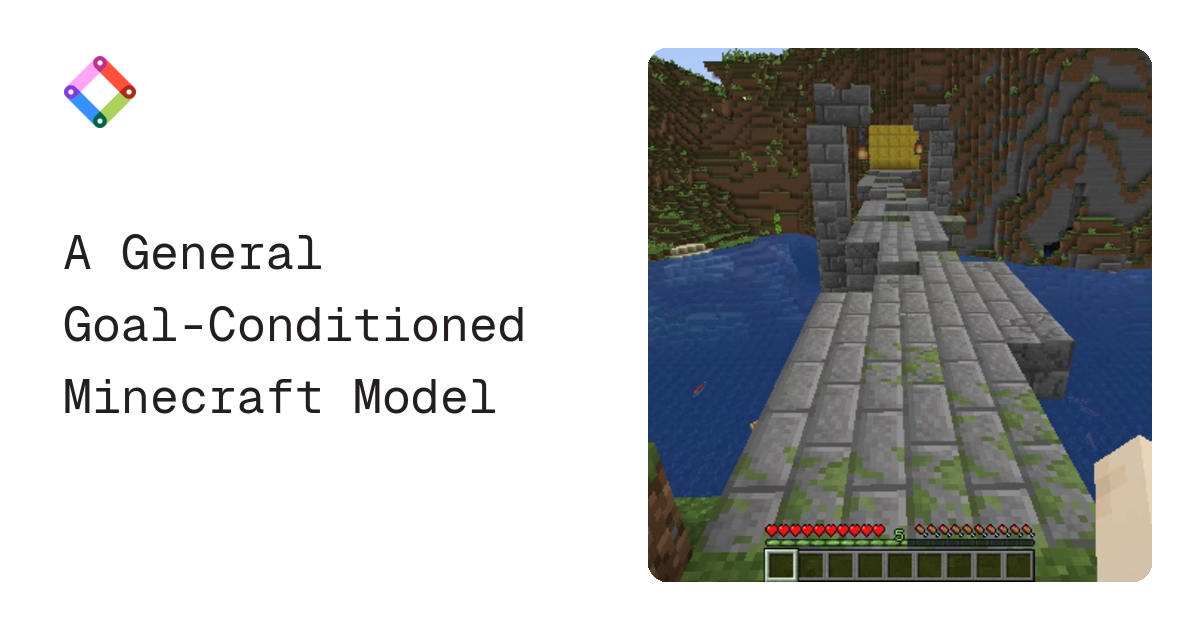
A General Goal-Conditioned Minecraft Model
 Self-Hosting
Launch HN: Coasty (YC S26) – An API for computer-use agents
 Graphics
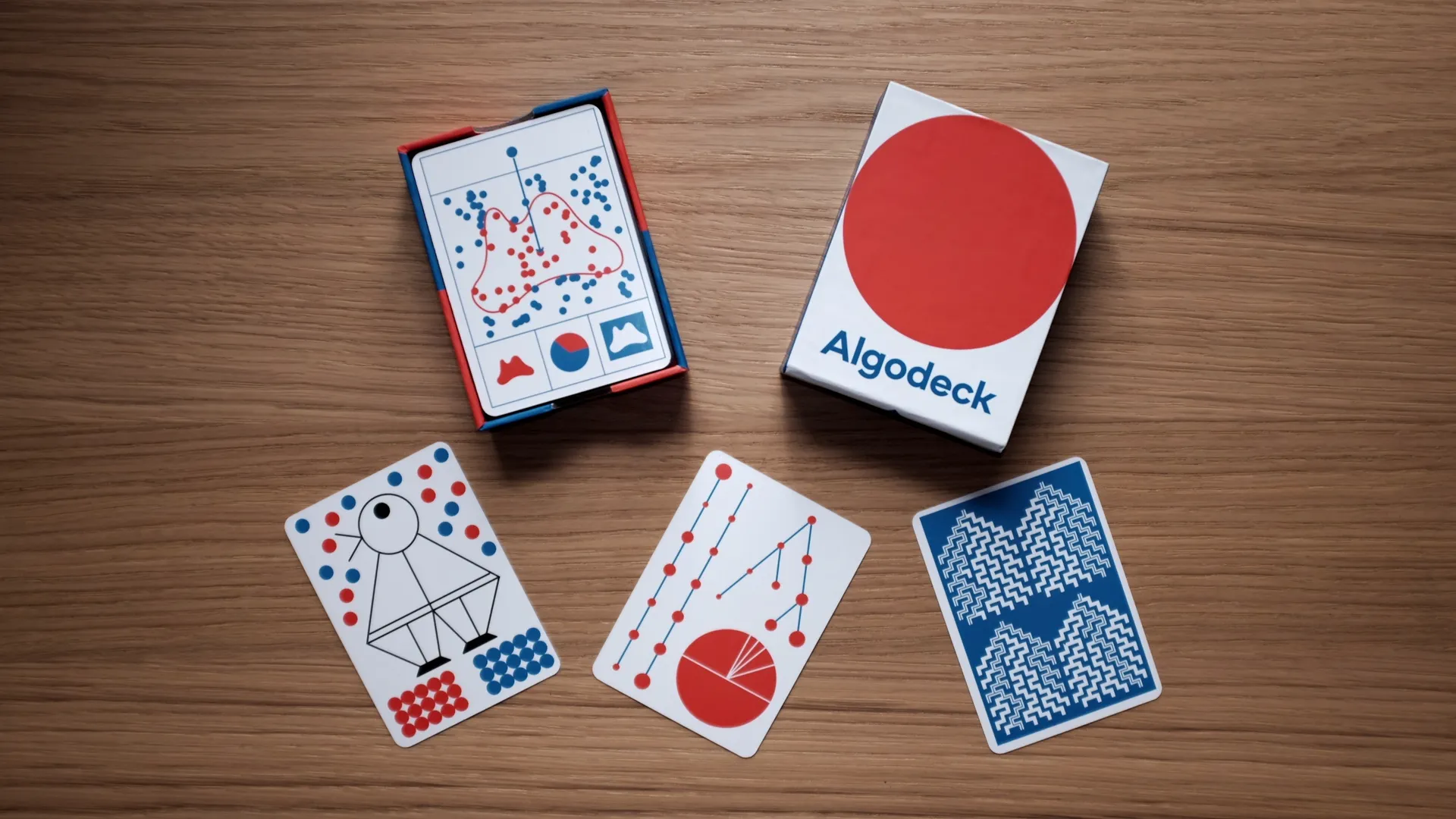
What designing 54 computer science cards taught me about graphic design
Primate Is the Last Great Web Framework
 Programming Languages
SendLang: A DSL for Email Automation
Ignoring OS files (like .DS_Store) in Git inside dev containers
 Networking
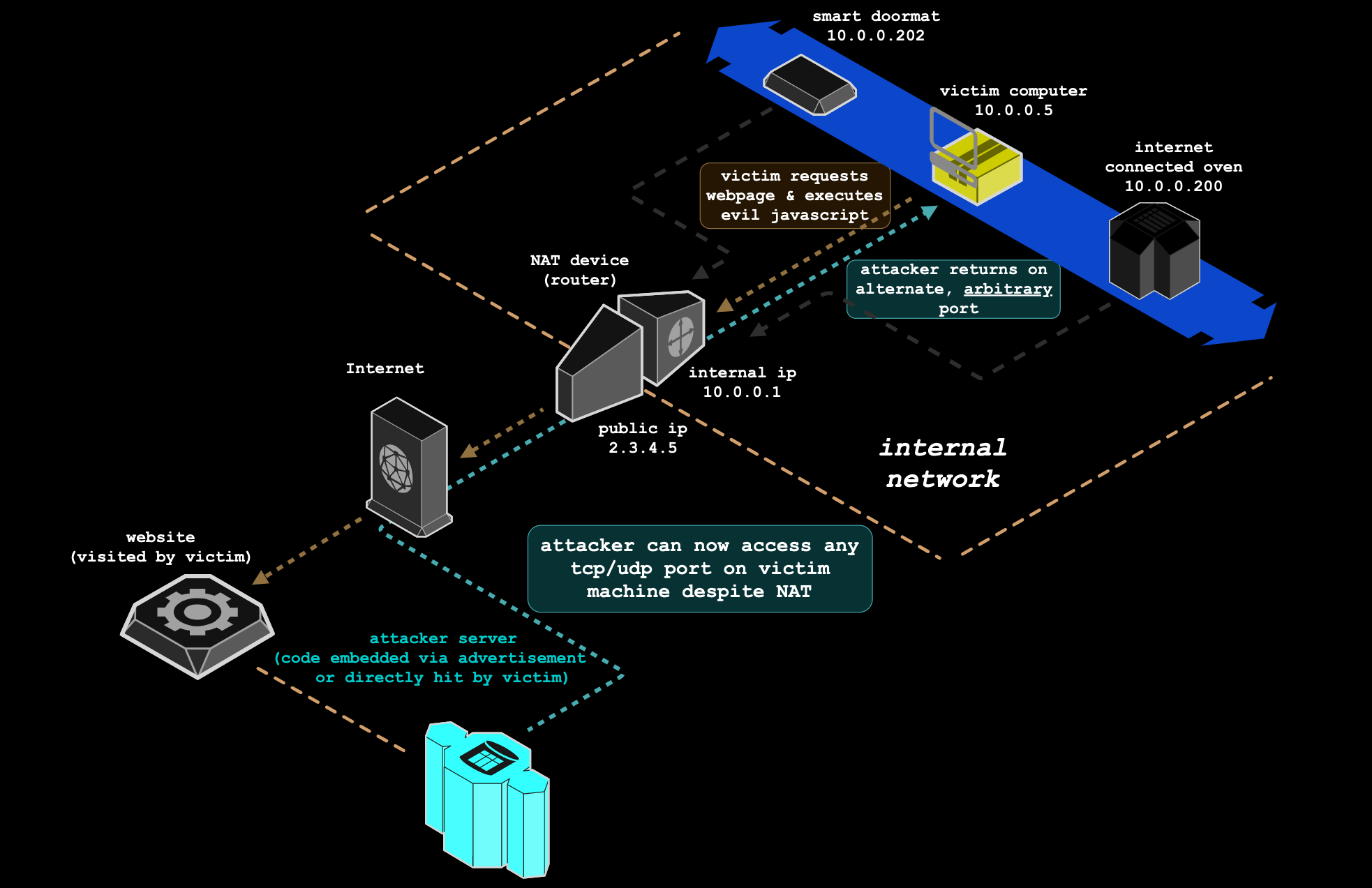
Nat Slipstreaming v2.0 allows an attacker to remotely access any TCP/UDP service
Show HN: Production-grade LangGraph template
Show HN: Aict – Unix coreutils that output XML/JSON, built for AI agents
Show HN: StyleSeed – a design-rules engine so AI agents stop building generic UI
my open-source web scraping/monitoring engine in Rust with Lua scripting
just wanted to share my first open-source Rust project. I came from PHP & JS environment and started learning Rust since 2023 and I decided to rewrite/enhance my own scraping tool using Rust which ended up being a fully featured scraping/monitoring engine. Its basically a lightweight alternative to big monitoring setups with first class monitoring support but without setup complexity, just download and run and use Lua for custom logic. What is Does - Monitor website via configured interval - Aut
 Web Development
The Architecture Behind Trionn: Coordinating GSAP, Three.js, Lenis, and Web Audio
A behind-the-scenes look at how multiple animation, rendering, and interaction layers were unified into one performant web experience.
 Systems Programming
Pong Wars on the Commodore 64
 Quantum Computing
Richard Feynman and the Connection Machine
 Software Engineering
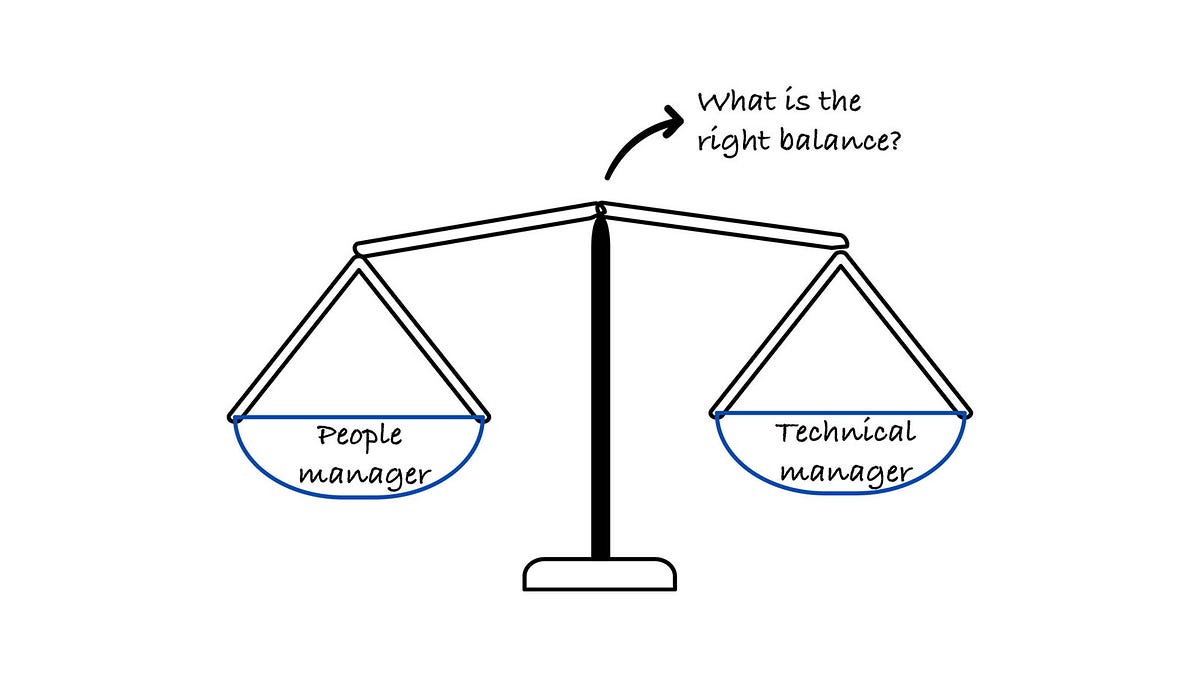
How Technical Should an Engineering Manager Be?
Sabot in the age of AI: A list of offensive methods and strategic approaches ...
 Python
What `for x in y` hides from you – From Scratch Code
Germany maybe found a new source of renewable energy
Today application from the "Learn Rust Programming Today" book published on GitHub
Hi there, I've updated and made public the GitHub repository for the Today application described in my book "Learn Rust Programming Today". It's a small app that is hopefully fun and/or useful in its own right. This is the repo: https://github.com/coniferprod/today-rs The Today repo starts where the book ends, and I hope to develop the program further on its own track. The book's sample code has its own repository: https://github.com/coniferprod/learn-rust, and I will update that only to correct
Comparing Obelisk with Temporal and Restate
Is building a code analysis engine in Rust worth it?
I have been learning Rust for quite a while now, and instead of building another toy project, I want to build something I will actually use.The idea is a code analysis engine for a desktop IDE I am working on. It wll eventually handle things like project indexing, AST analysis, dependency graphs, symbol resolution, technical debt analysis, and later Ai assisted refactoring. My current plan is to use Tauri for the desktop app, Tree sitter for parsing, and probably Rayon for parallel indexing anal
Microkernels are Retarded Object-Orientation
a bunch of stuff i used to not know about K&R C
Soofi: Complete training code for an open-source foundation model
OpenBAO: Manage, store, and distribute sensitive data
 Go
Go