Think of a professional athlete. What separates elite performers is what happens between games: continuous refinement, adjusting to new opponents and sharpening skills based on what the last game exposed.
Agentic AI works the same way. A model is no longer asked for an answer. It’s given a goal and has to keep adapting as environments shift, edge cases emerge and tools change. Unlike a generative model responding to a prompt, an agentic model must plan, use different tools and recover from
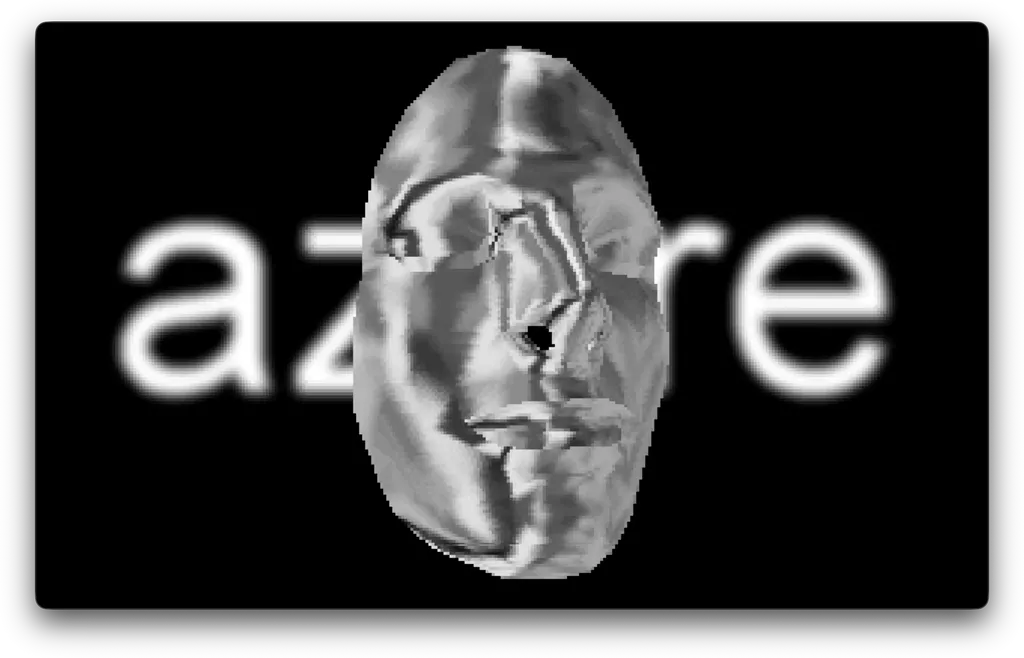
Between July 1996 and March 1997, while I was in high school, I built a software renderer that was capable of per pixel phong lightining, texture mapping with bump mapping. I taught myself most of the techniques from BBS tutorials, early internet writeups, demo-scene source releases, and Michael Abrash's writing.
I recently went back through the original codebase. This post is a write-up of how I solved the problem of getting high-quality real-time 3D results on hardware with no GPU, a slow FPU,
A technical breakdown of the pipeline, rendering techniques, and performance optimizations behind ZERO, an immersive scroll driven WebGL experience built for desktop and mobile.
Finally, model announcements that represent a meaningful step forward.
The Massive Kimi K3https://www.kimi.com/blog/kimi-k3Moonshot has released Kimi K3 — an open-frontier, extremely large 2.8T-parameter model (MoE: activates 16 out of 896 experts), featuring a 1M-token context window and native image understanding. It is the first open model in the ~3T parameter class. The model is optimized for long-running agentic workflows, and the launch presentation places particular emphasis on generati
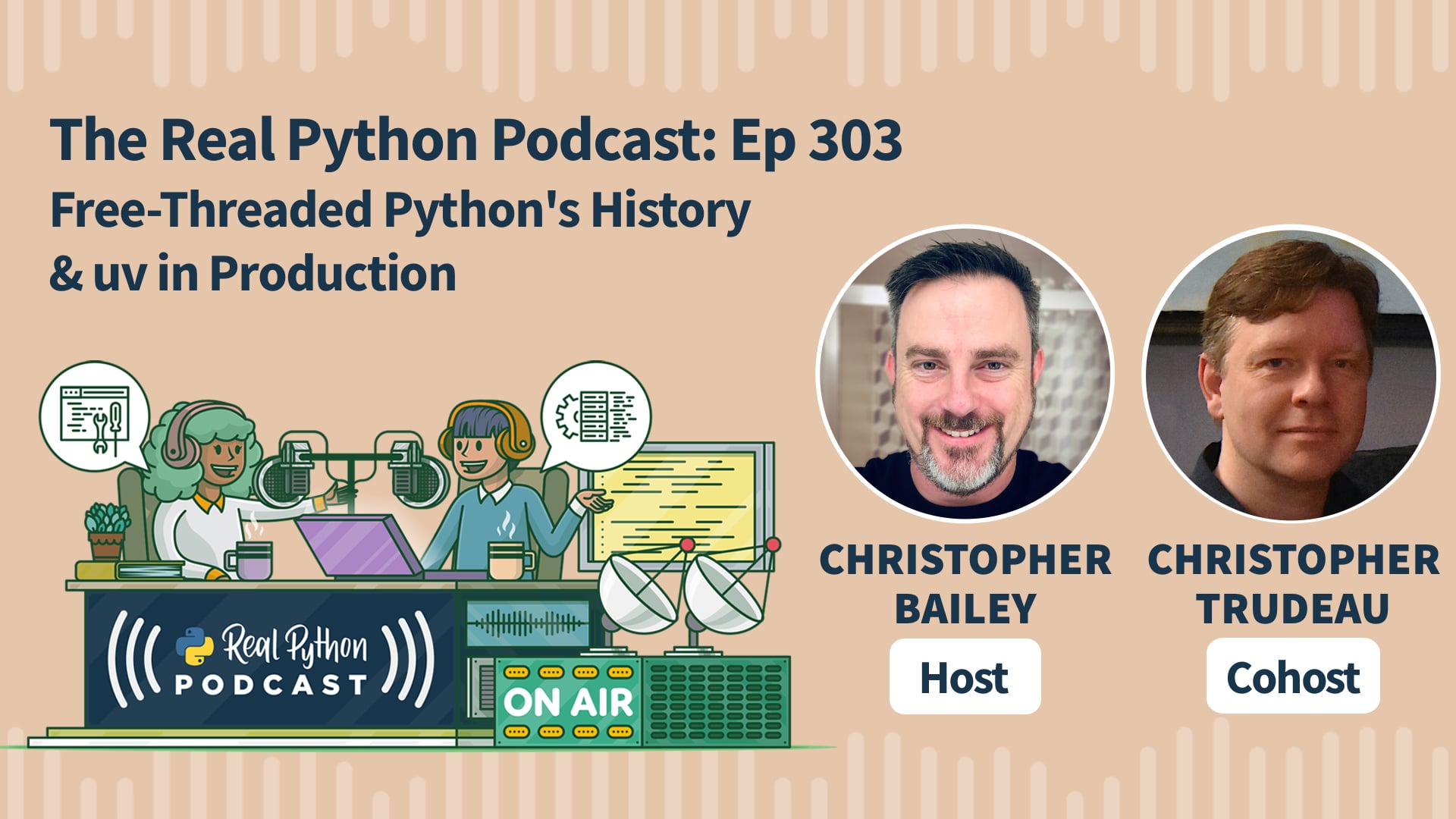
How many attempts have been made to remove Python's Global Interpreter Lock (GIL)? How do they compare to the current approach? Christopher Trudeau is back on the show this week with another batch of PyCoder's Weekly articles and projects.
[ Improve Your Python With 🐍 Python Tricks 💌 – Get a short & sweet Python Trick delivered to your inbox every couple of days. >> Click here to learn more and see examples ]
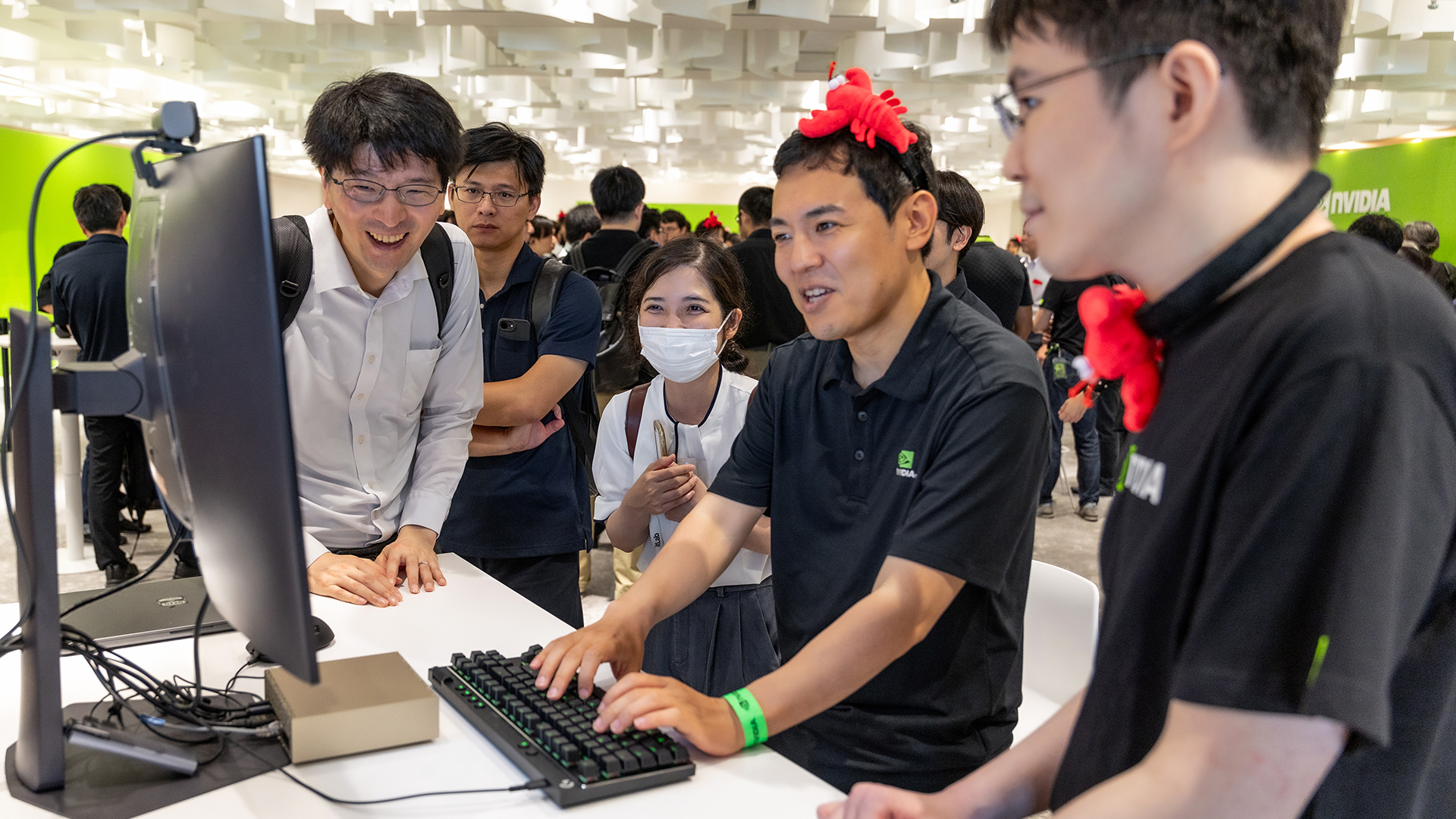
Home to leading manufacturers, robotics pioneers, infrastructure builders and iconic gaming companies, of course, Japan is one of the world’s centers of AI — building across the full stack with NVIDIA technologies. This week NVIDIA and its partners in Japan are showcasing the AI ecosystem’s latest advancements. Check back here for updates.
This week, NVIDIA founder and CEO Jensen Huang met with Japan’s AI leaders and enthusiasts — together showcasing the future of technology in the n
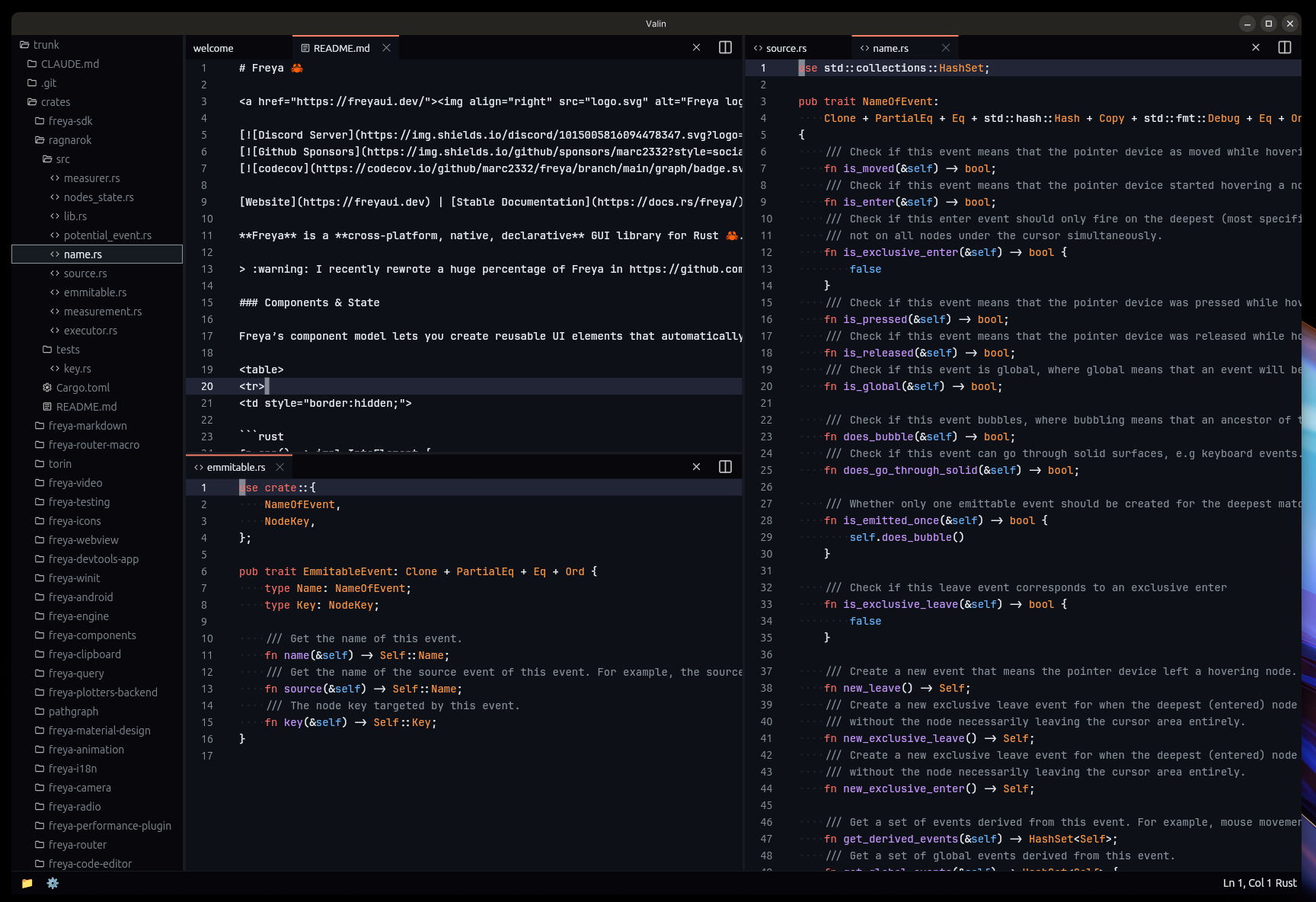
SGF files describe a board game like Go, including all the possible variations
someone wants to talk about. Let's write Rust to parse one of these files!
They look something like this:
(;FF[4]GM[1]SZ[19];B[aa];W[bb];B[cc];W[dd];B[ad];W[bd])
Follow me on mastodon: @[email protected]
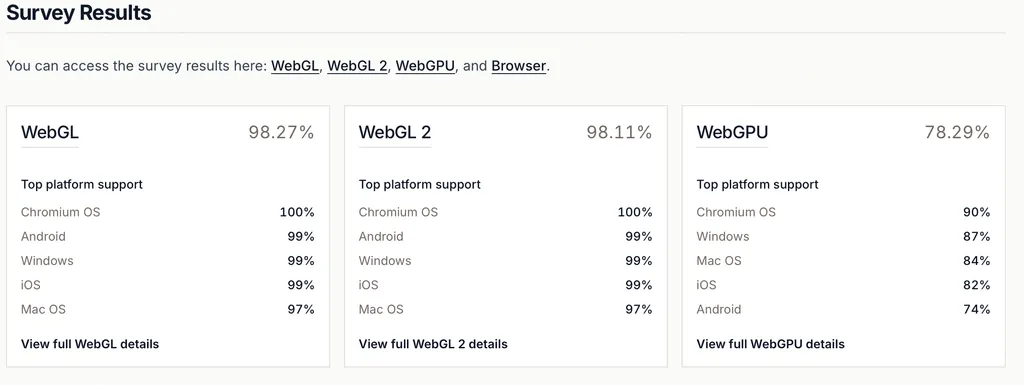
In 2023 I introduced Web3DSurvey as a replacement for the defunct WebGLStats.com. The mission stayed the same: collect real-world WebGL, WebGL 2, and WebGPU capability data so 3D web developers can pick features from measured support rates.
This year I shipped a large update I call Web 3D Survey v2. It started last summer with a rewrite of the site, then grew into new reporting surfaces for WebGPU, WebGL adapters, browser APIs, and a live machine report. The live site is web3dsurvey.com.
Minor a
Spock 6 has landed in Beta. pgEdge's multi-master replication extension now runs on PostgreSQL 16, 17, 18, and 19, tracks replication progress in shared memory instead of a catalog table, spills oversized replay queues to disk, and reports conflict statistics per subscription. Spock 5 was already doing the hard work of multi-master replication in production. Spock 6 makes the same engine faster, easier to watch, and considerably harder to kill.We are currently finalizing internal testing, as wel
Postgres 19 is planning to change the default TOAST compression from pglz to LZ4, so let's look at how Postgres compresses data in table storage and indexes. Postgres uses a single, unified compression framework for table (heap), TOAST, and indexes. In heap and TOAST, compression is automatic and on by default for variable-length types like TEXT, VARCHAR, BYTEA, and JSONB. In indexes, it is opportunistic: compression fires only when an individual key exceeds the size threshold, not for every var
Learn how to configure sovereign AIOps by integrating ManageEngine OpManager with a local Ollama runtime for regulated, air-gapped IT teams.
Continue reading
Configuring secure, sovereign AIOps for IT teams in regulated sectors with OpManager and Ollama
on SitePoint.
Tech Blogs Theprogrammersparadox Blogspot Com · 24 days ago ·
A long time ago, I remember someone trying to convince me that sufficient testing would prevent ‘all’ bugs. All you need are tests.That’s never been the case for me, even after all of these decades. At the very best, with a gifted team, we were super careful, had strict standards, and hyper-intense reviews, but we still had one bug escape. Worse, though, was that the effort took considerably longer than most people would even guess. It was the only time that I’ve ever not felt rushed du
Over the last year I've been building rdlp, an open-source media downloader and analyzer written in Rust. Unlike most download tools that are either command-line only or Electron-based, rdlp includes both: ✅ Powerful CLI for automation and scripting ✅ Native desktop application (Tauri + Rust) ✅ Media analysis before download ✅ Thumbnail previews and metadata extraction ✅ Format and quality selection ✅ Subtitle support ✅ Audio extraction and conversion ✅ Cross-platform architectur
CSTA 2026 was an excellent conference. No surprise there. CSTA is the biggest and best conference for K-12 computer science teachers. It’s one I recommend to anyone teaching CS. I am told that there were about 1,150 people in attendance. Not a record but a lot more than we had even a few years ago. Lots of younger teachers and a lot more diversity as well. These are all good things. There were some surprises this week. One was who wasn’t there. Specifically, three large companies that had l
Prepared for the ForwardJS Ottawa JavaScript and TypeScript community.
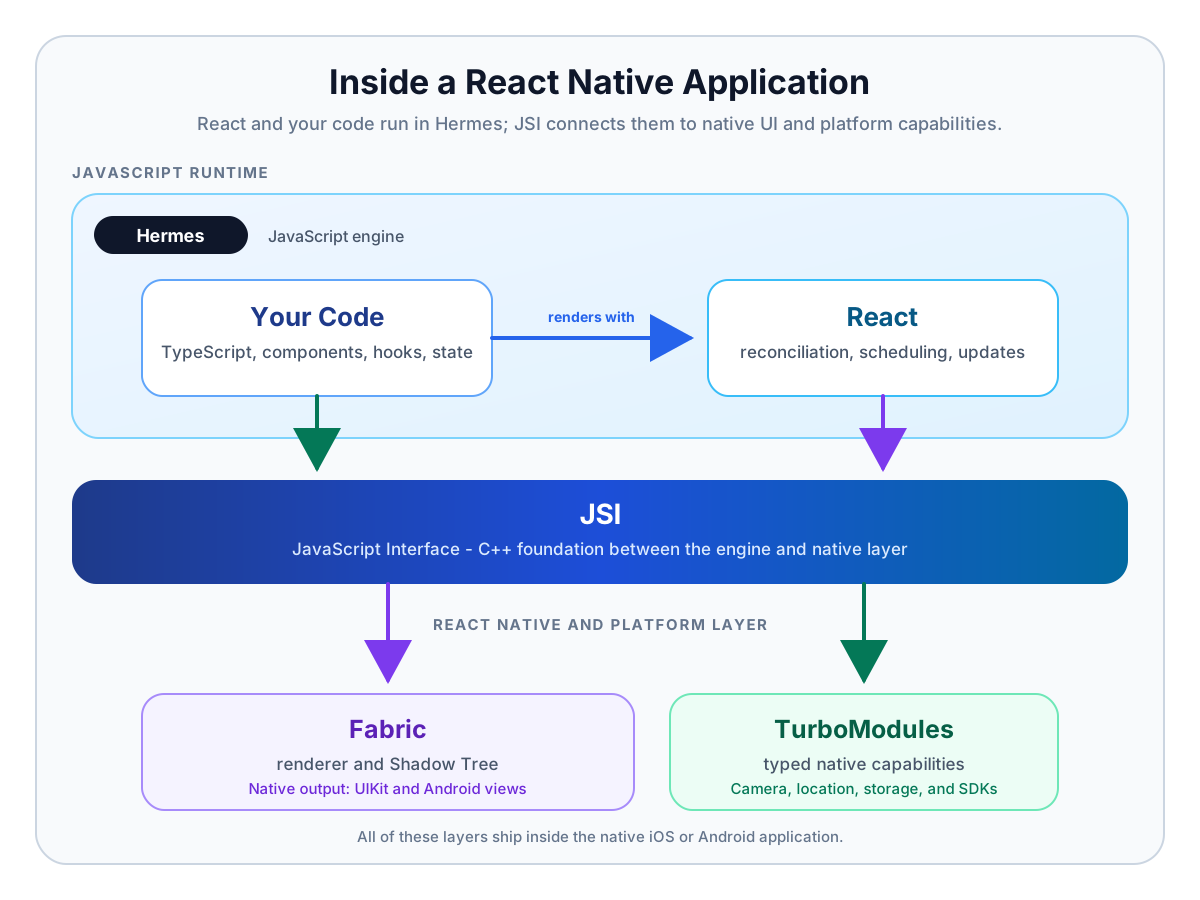
React Native in 2026 is awesome!
React Native arrived in 2015 with high expectations: React developers could build real iOS and Android applications while sharing most of their code. By 2018, technical problems and painful upgrades had produced a backlash.
Since then, Meta and the community have replaced the core architecture and built a mature development ecosystem. React Native now lets teams reuse React skills, TypeScript
Agents have moved from demos to daily work faster than almost anyone planned for. In our State of Agentic AI report, 60% of organizations already run AI agents in production, and yet 40% name security and compliance as the number-one thing holding them back from scaling further. That gap, between what teams have already shipped and what they can safely operate, is the real story of AI agents right now.
But what is an AI agent, and why does the term suddenly stretch from a coding assistant to
The Rust team has published a new point release of Rust, 1.97.1. Rust is a programming language that is empowering everyone to build reliable and efficient software.
If you have a previous version of Rust installed via rustup, getting Rust 1.97.1 is as easy as:
rustup update stable
If you don't have it already, you can get rustup from the appropriate page on our website.
What's in 1.97.1
Rust 1.97.1 fixes a miscompilation in an LLVM optimization.
We have backported both an LLVM fix and a disabl
When you are upgrading across major PostgreSQL versions, there are a few ways to go. Dump and restore is the simplest to reason about, but downtime scales directly with database size, so for anything multi-terabyte, it is off the table. Logical replication gets you near-zero downtime, but it only works from PostgreSQL 10 onward; if your source cluster is on less than version 10, that path does not exist in a native way. That leaves pg_upgrade, the community-maintained tool for in-place major ver
Six months ago we started writing the PostgreSQL backup tool we kept wishing existed. Now pg_hardstorage has shipped, and you can read every line of it on GitHub before you trust it with your WAL stream.
Why another backup tool?
At CYBERTEC we have spent more than two decades helping organisations run PostgreSQL in production. The single most consistent thread through all of those engagements is the same one: backups are the load-bearing wall of a database. When they hold, you forget about
Slides and transcript from How much do you really need to know about databases?
at EuroPython 2026 in Kraków, Poland
on 15 July 2026.
I will add a link to the recording once it's available.
I've included just very brief alt-text for each slide image,
but I've also added any links or other essential information into the body of the blog post.
This talk is aimed at application developers, whether or not you already have some database knowledge.
And if that's not your profil
 Machine Learning and AI