 Rust
Rust
Anthropic runs large-scale code migrations with Claude Code
 Infrastructure and DevOps
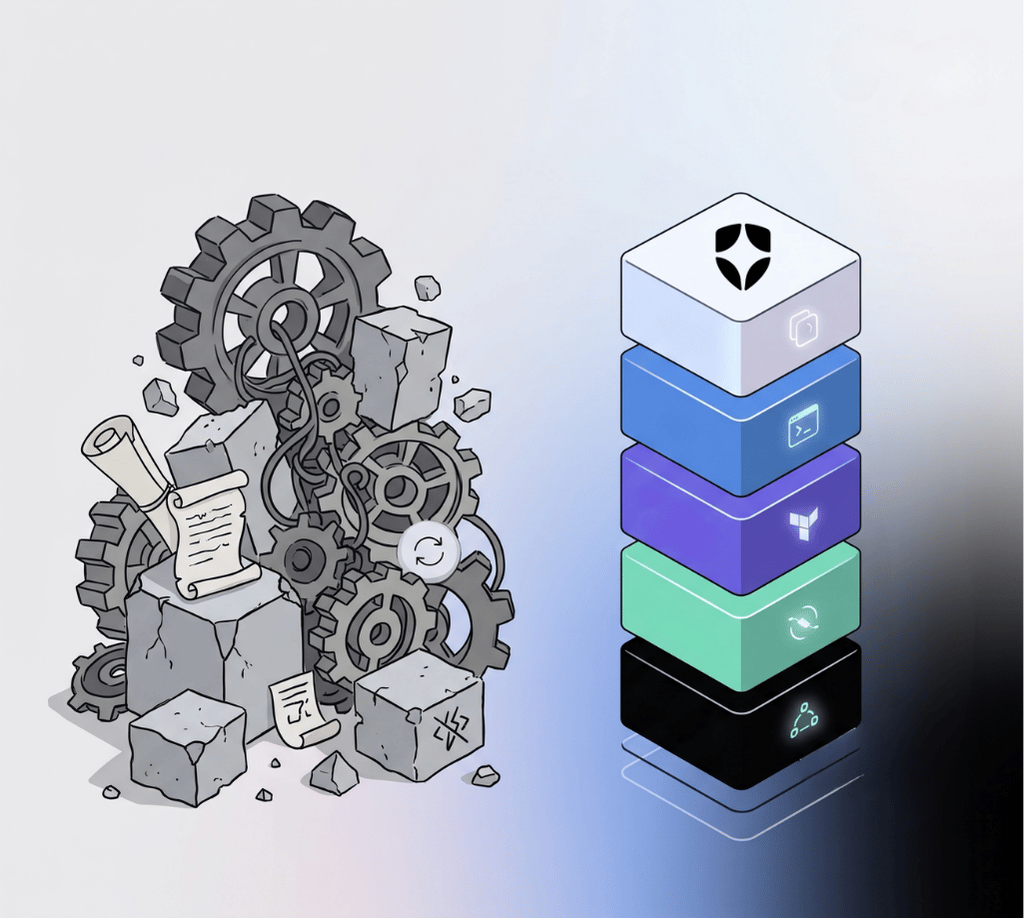
You Are Using Auth0 The Hard Way
Stop writing manual API calls and hand-rolling token refresh logic. Learn how to accelerate your production setups using the Auth0 SDK, Auth0 CLI, and Infrastructure as Code.
 Science
What Did We Lose When We Lost the Stars
Keel 0.3 (alpha..?) - a very fast, statically-typed interpreted language written in Rust - now with a standard library, a map type, prettier errors, and a docs website
Hello! Keel 0.3 (alpha) is now out! Keel is a fast, statically-typed interpreted language that aims to combine Rust-like syntax with Python's ease-of-use. It's ~2-10x faster than Python, and competitive with LuaJIT (-joff). It does full type inference, is statically-typed and requires zero annotations (except for dylibs and structs). It has FFI support, meaning you can call functions from dynamic libraries directly from Keel with a "native" (easy) syntax. It's embeddable in other programs throug
 Self-Hosting
I joined the IndieWeb, here's what I learned
Maintaining open-source Rust crates [video]
submitted by /u/Jonhoo [link] [comments]
rsloop now is faster than uvloop
this was achieved using profiling and analysis by Fable 5 (my money must go for good purpose with this model) so yeah, in v0.1.24 you can use faster library for your python async code repo: https://github.com/RustedBytes/rsloop submitted by /u/yehors [link] [comments]
 Compilers
Conversations I’ve Had with AI
AI-generated image of a man talking to a robot over tea Lately, I’ve been having a lot of very interesting conversations with LLMs about a wide range of topics. However, most of them have pertained to technical topics and I thought it would be interesting to post some of them on my blog. I figure there are probably plenty of other people who might be interested in the questions I ask and what AI has to say about it, so why not post them? If nothing else, then at least it’s a way of preser
 Databases
Searchable field-level encryption on Supabase with CipherStash
 Graphics
Blender 5.2 LTS
 Programming Languages
Parsoid
 Algorithms
Mathematicians still don't know the fastest way to multiply numbers
Triton language for Alibaba SAIL
 Machine Learning and AI
Qwen 3.8 Max Preview
Show HN: LoopGain – Stop agent loops with control theory, not max_iterations
 Self-Hosting
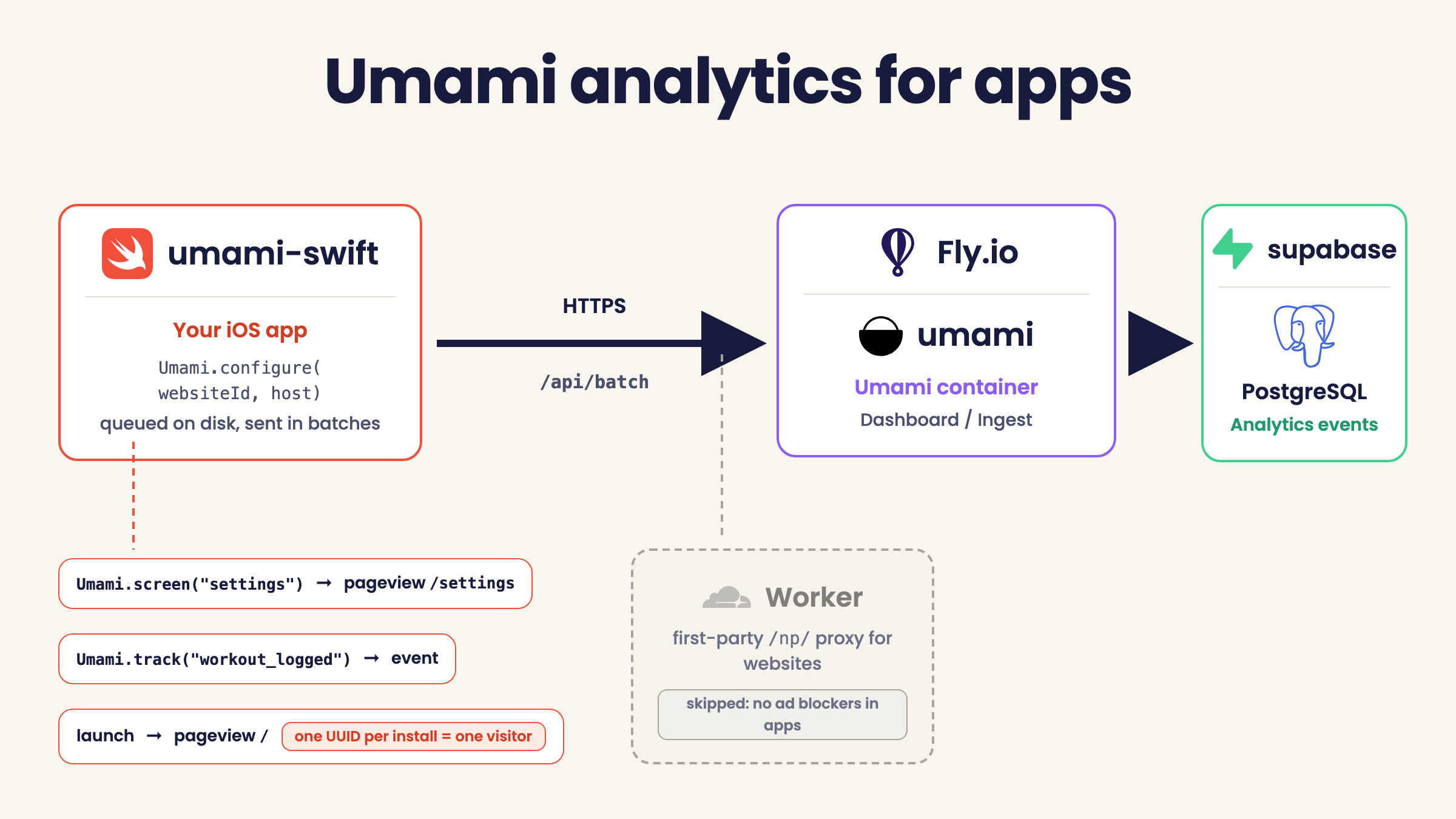
Using self-hosted Umami for iOS app analytics
 Machine Learning and AI
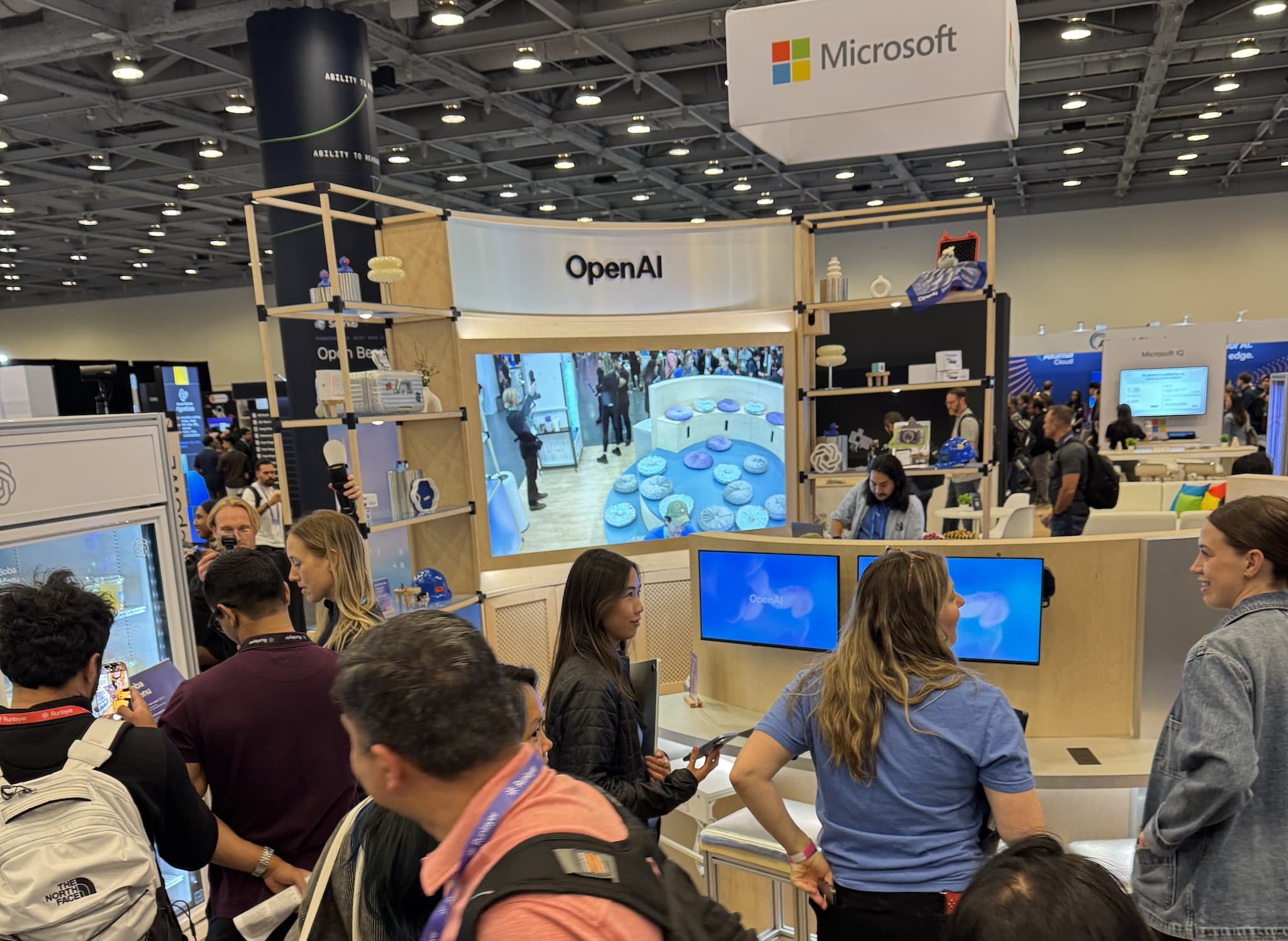
A Skeptic at AI Engineers’ World Fair
Whether you use or even like AI, the genie is out of the bottle. What used to feel like a more personalized Google search can now index your entire codebase, explain how unfamiliar areas are structured, warn you of system design implications, and build features of surprising complexity. (Assuming, of course, you have the vocabulary to prompt it to do so.) From both a capability and flexibility perspective, it’s astonishing technology. I’ve moved beyond the basic question of whether AI can wr
 Self-Hosting
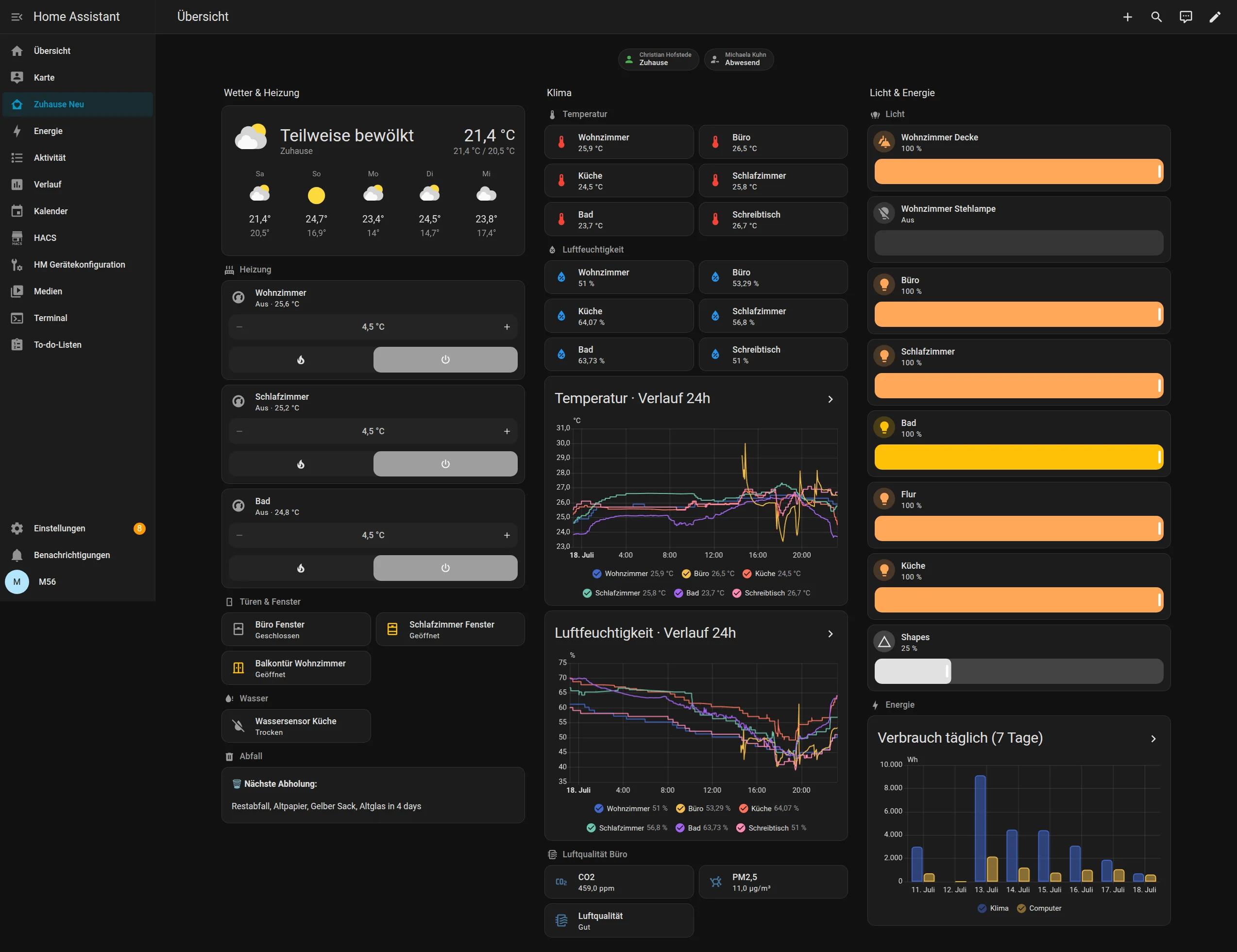
My Home Assistant Setup: bhyve, FreeBSD Jails, Zigbee, Homematic, and Matter over Thread
The useful part of a home automation dashboard is that it hides the plumbing. The screenshot above shows weather, heating, doors, windows, temperature, humidity, air quality, lights, and energy consumption. A light is a light, a thermostat is a thermostat, and a water sensor is either dry or it is about to make my evening substantially worse. Behind that dashboard, however, are three quite different device ecosystems. Most of the apartment uses Zigbee devices from Philips, IKEA, Xiaomi, Sonoff
Self-Hosted Dynamic DNS
There are many dynamic DNS (DDNS) providers, but I could not find one that supports updating records using nsupdate. This guide will show how to set up a DDNS service on your own server as well as how to integrate it with macOS to automatically push updates whenever the machine IP changes. First, install Knot DNS on the server. Once installed, you’ll need to generate a TSIG key that will be used for authenticating updates to the DDNS server. To do so, run keymgr -t tsig.example.com. This will
2026-07-19 09:23
The Grok scandal involving "silent" code uploads, followed by open-sourcing as an attempt to regain trust. Grok CLI and Trackinghttps://www.internationalcyberdigest.com/xais-grok-build-cli-uploads-entire-git-repositories-to-a-google-cloud-bucket/https://gist.github.com/cereblab/dc9a40bc26120f4540e4e09b75ffb547Several users reported that upon session startup, the Grok Build CLI deterministically (not as an autonomous agent decision) archives the current directory or Git repository and uploads it
 Self-Hosting
Save GPT-5.5
Claude Code uses Bun written in Rust now
 Self-Hosting
Hardcore IndieWeb: Run your own website 100% independently for only $0.01/day
Repeatable Read vs Snapshot Isolation
Building the Game for Android
This post was written with AI assistance. The game now builds as a native Android app. make android produces a debug-signed APK you can install directly on a phone, and a GitHub Actions workflow builds one on every push to main and uploads it as a downloadable artifact. Same C code, no web view involved: the NDK compiles the exact sources the desktop build uses into a shared library, and SDL’s stock SDLActivity loads it and calls SDL_main. Why the port was one #ifdef SDL2 treats Android a
How early SunOS did diskless workstations before NFS
Gleam Is Now on Tangled
 Programming Languages
Elixir-lang.org has a new design
 Machine Learning and AI
Core ML vs MLX vs Foundation Models: Choosing Apple's On-Device AI Stack
Apple now ships four distinct ways to run a model on your users’ hardware, and picking the wrong one costs a rewrite. On the M2 Max I am writing this on, MLX sustains 11.2 TFLOPS of fp16 matrix math and moves data at 351 GB/s of measured unified-memory bandwidth1. For most apps that power is the wrong choice, because the built-in Foundation Models framework does the job in six lines of Swift with zero megabytes added to the download. The four frameworks are not competitors. They are four diffe
This Week in Rust #660
submitted by /u/Squeezer [link] [comments]
Rust for offline development?
One of my favorite things about Python is the ability to use it entirely offline. The standard library / typical conda environment is so all-encompassing that I can create almost any project with no external dependencies. I can even do UIs with tkinter or database stuff with sqlite3. I love rust and the crate ecosystem, but the standard library is pretty barren. I know this is intentional, but it also makes offline development here in the sticks quite painful. If I haven’t built a project with
 Databases
Hooking Claude Code Up to Real Tools with MCP
For a long time my Claude Code sessions were a lot of copy-paste. It’d ask what a database table looked like, and I’d paste the schema. It’d want to know what an issue said, and I’d paste the ticket. It could read my code perfectly but it was blind to everything around the code. MCP fixed that. It’s the thing that lets Claude Code reach out to your actual database, your issue tracker, your logs, instead of you being the middleman pasting context in.
 Science
First atmosphere found on Earth-like planet in habitable zone of distant star
Detecting Full Table Scans With SQLite
 Self-Hosting
How I Build My Ubuntu 26.04 Cloud-Init Template for Proxmox
I run a handful of Ubuntu virtual machines in Proxmox. They host applications via Docker Compose, VPN service, NUT services, and a few other odds and ends around my home lab. Virtual machines I’ve created within the last year and a half or so are entirely under the control of OpenTofu (for creating the virtual machine) and Ansible (for provisioning it). OpenTofu uses Proxmox’s API to create a clone from a template, configure its hardware, and do bare bones provisioning. Ansible takes care of
 Self-Hosting
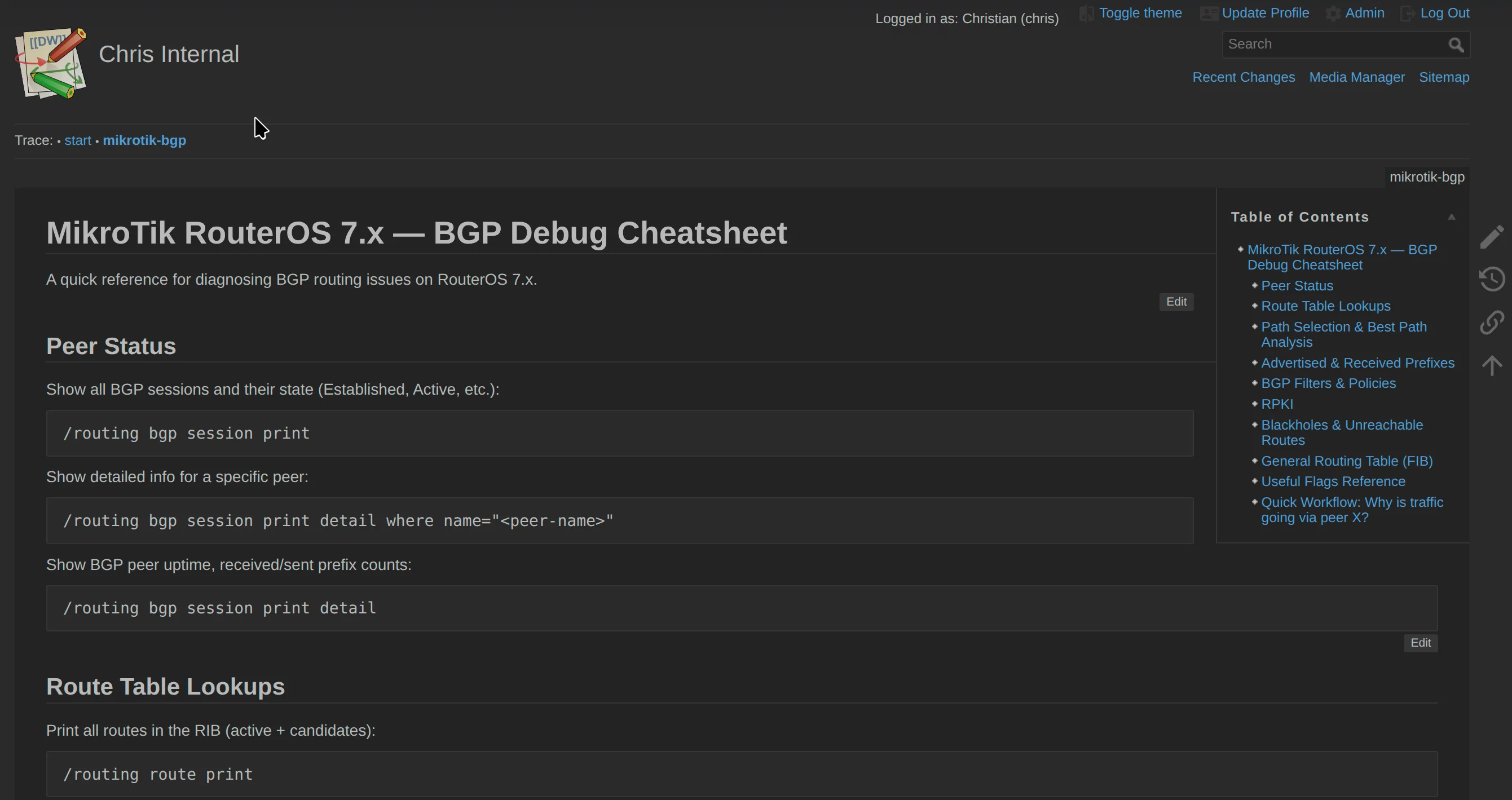
Hosting DokuWiki on FreeBSD with Bastille, nginx, and Caddy
Some services do not need PostgreSQL, Redis, an object store, three containers, and a deployment manifest long enough to qualify as literature. Sometimes I need a wiki: a place for notes, runbooks, snippets, and the sort of documentation that is useful precisely because it is not public. DokuWiki fits that job unusually well. It stores pages as plain text files, needs no database, has a mature ACL system, and is available as a regular FreeBSD package. Put it in a Bastille jail and the entire ap
 Databases
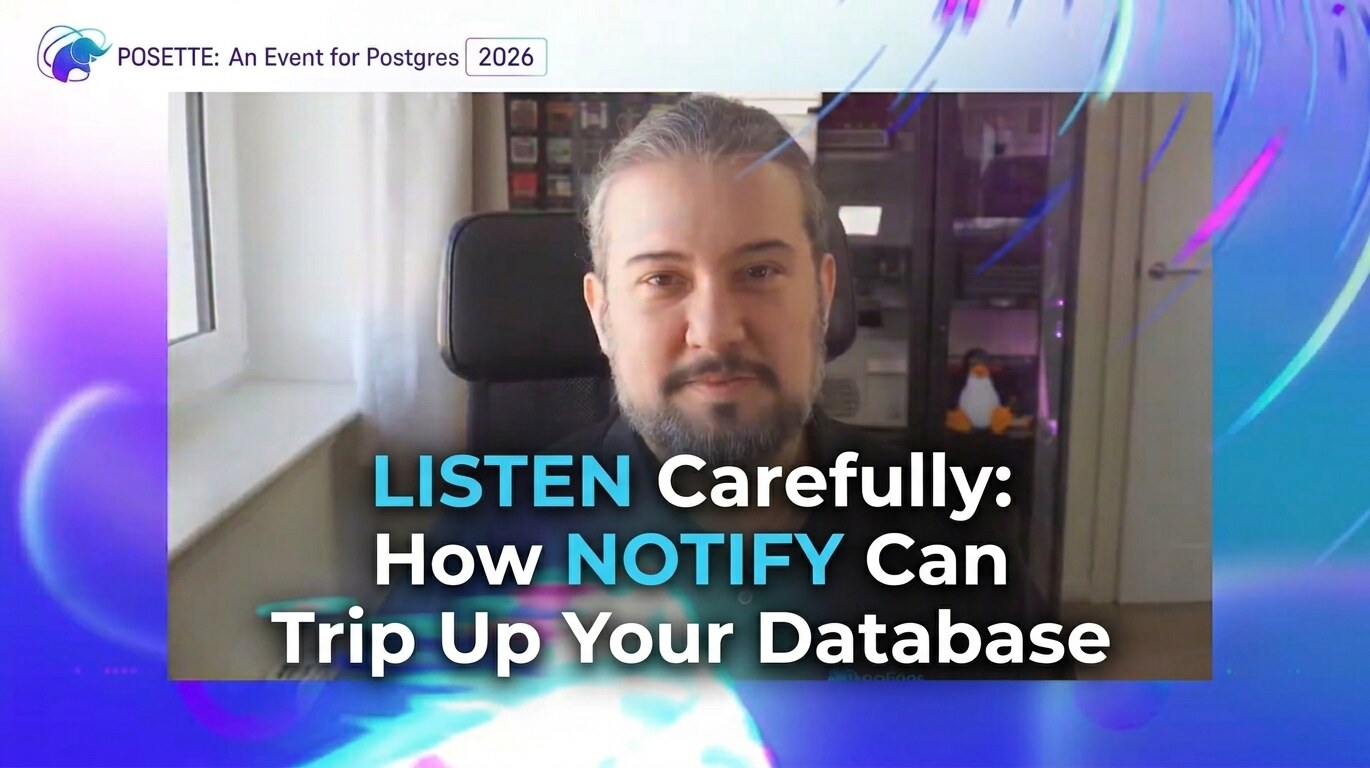
Jimmy Angelakos: LISTEN Carefully: How NOTIFY Can Trip Up Your Database
POSETTE: An Event for Postgres 2026 is an online event for PostgreSQL, brought to us by the Postgres team at Microsoft, which took place on June 16-18, 2026. I'll always have a soft spot for in-person conferences, but POSETTE is probably the best-run online event in our community, and I was delighted to be invited back to speak. As it happens, I had already given this same talk in person earlier the same month, at PG DATA 2026 in Chicago on June 4-5. My sincere thanks go to the organisers of bot
 Rust
Rust
crates.io: development update
Another six months have passed since our last development update, and the crates.io team has been busy. Here's a summary of the most notable changes and improvements made to crates.io since then. Source Code Viewer Crate pages now have a "Code" tab that lets you browse the contents of published crate versions directly on crates.io. This shows you the exact files that cargo downloads when you add a crate as a dependency, which might differ from the linked repository. This makes it much easier to
You can't bug fix your way out of the vulnpocalypse
 Databases
Lobste.rs is now running on SQLite
 Science
Scientists Discover Planet Has Everything to Host ‘Earth-Like Life’ In Breakthrough
🌘Subscribe to 404 Media to get The Abstract, our newsletter about the most exciting and mind-boggling science news and studies of the week. Astronomers have detected an atmosphere around a rocky exoplanet in the habitable zone of its star for the first time in history, signalling a major breakthrough in the search for alien life, according to a study published on Thursday in Science. The planet, known as LHS 1140-b, is about 5.6 times more massive than Earth and orbits a small dwarf star abo
wgpu system monitor dashboard (wgpu dependency hell)
Hey all — wanted to share something I've been building with Charton, a Grammar of Graphics crate for Rust (ggplot2-style API, Cartesian/geo/polar charts, SVG/PDF/PNG/WGPU, WASM). The dashboard does real-time system monitoring: CPU/memory/swap utilization as line charts over time, per-core CPU load as a scatter plot, network throughput (RX/TX rates), and a live process audit log that flags heavy processes. It polls sysinfo, renders the charts via Charton, and displays everything in egui with a
SigLIP 2 text embedding on CPU with Rust + ONNX
While building the data platform for our robots, we ended up dealing with a lot of images, video, and text metadata. For search, we use SigLIP 2. GPUs handle batched asynchronous image/video embedding and indexing, while this small Rust + ONNX Runtime service handles live text queries on CPU. Both land in the same embedding space, so a text query can search the GPU-built image index. The split has been practical for us: keep scarce GPUs focused on high-throughput multimodal ingestion, and scale
Enzato - A minimalist terminal text editor written in Rust
I wanted to share a side project I've been working on to learn more about terminal rendering and buffer architectures. It's called Enzato, a minimalist, command-line text editor written in Rust. I love using full-featured IDEs for my main development work, but I wanted a dead-simple, lightweight tool specifically for making quick edits to configuration files directly inside my terminal without waiting for a heavier environment to load. Technical Highlights Gap Buffer: The document is kept in a
Waldi: A quiet place to write, and to be read
Best practices for designing long-running background daemons in Rust?
Hi everyone, I'm looking for some advice and best practices on how to properly design and structure a long-running background daemon thread (or task) in Rust. Specifically, I want to make sure I'm handling the architecture elegantly, especially around graceful shutdowns and resource sharing. Here are a few specific points I'm wrestling with: **Shutdown & Cancellation:** What is the idiomatic way to signal a background thread to stop? Should I rely on an `AtomicBool` flag, or use channels (`cro
SQL Stored Procedures and Supabase
SQL Stored Procedures and Supabase What is a SP: it is a group of sql statements that is created and stored in that database. it can accept input parameters...
Building Dynamic Interfaces: Integrating Generative Video APIs into Web Applications
null Continue reading Building Dynamic Interfaces: Integrating Generative Video APIs into Web Applications on SitePoint.
ASCII Art
 Open Source
In-toto: A framework to secure the integrity of software supply chains
Reviving a 15-year-old netbook with Arch Linux
 Open Source
Open Source is not immune to monopoly
A grumpy screed about AI in software engineering
Show HN: Instrumation a PYPI library for Instruments
The New Complexity Crisis: Why Modern Platforms Fail Differently Than Monoliths
For the past two decades, enterprise IT has followed a seemingly obvious trajectory toward architectural advances. We fled the monolith, marching steadily toward microservices, cloud-native infrastructure, automated CI/CD pipelines, and decoupled services. The business case was always airtight: velocity, horizontal scalability, and blast-radius isolation. In many respects, we delivered on those promises. But as any veteran industry player who has survived a Tier-1 production outage at 3 a.m.
TP-Link Kasa cameras leaked home GPS via unauthenticated UDP for 6 years
Scala on Go
Advice on writing an HTML, CSS, and JavaScript engine in Rust?
Hi everyone, I'm a beginner who's interested in learning more about browser engine, and I thought a fun long-term project would be to build a simple HTML engine, CSS engine, and JavaScript engine in Rust that i can expand later if i somehow manage to understand all of this I know this is a huge project, and I'm not trying to build a full browser like Chrome or Firefox in like a year or something. My goal is mainly to learn how these three pieces work together by implementing a minimal version my
How to Write Unmaintainable Code (2015)
 Databases
Aurora DSQL: Scalable, Multi-Region OLTP
Static search trees: 40x faster than binary search (2024)
Show HN: Tarit – a hypervisor which is 2x faster than firecracker
Topcoat: The full full-stack framework for Rust
 Web Development
In-House LLM Serving at Netflix
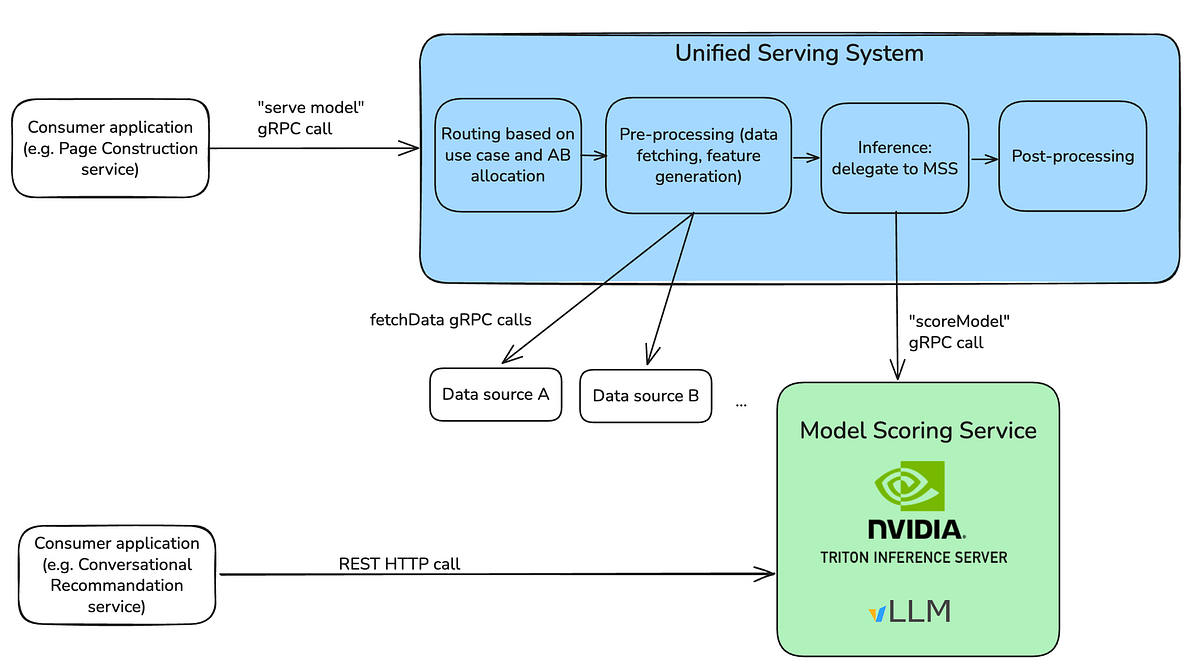
By AI Platform’s Model Runtime team and Inference teamIntroductionMost organizations consume LLMs through hosted APIs. Netflix went further — we run the full stack ourselves, from model deployment through inference, inside our existing production environment rather than a separate ML silo. Some of those decisions weren’t obvious, and a few revealed their trade-offs only under production load.This post focuses on the choices where alternatives were seriously considered: engine selection
Topological Control of LLMs: A Route to Trustworthy AI
If we consider an AI in the form of an LLM as a mathematical object, it represents a weakly structured set of coefficients. One of the directions for describing the operation of AI models is the application of the spatial approach. However, the model coefficients do not form a vector space, since the corresponding set of coefficients is not ordered. One of the main tasks of modeling is the transition (mapping) from a weakly structured set of coefficients to an ordered space. Due to symmetries
Interview With Matheus Moreira
Matheus Moreira (blog) a medical doctor, built lone lisp directly on Linux system calls. How did you get into computing originally? What was your path before discovering Lisp etc.? I’ve always liked computers, but what truly got me into programming was video games. When I was a kid, I used to play games from a series called Mega Man Battle Network, and I ended up getting inspired by those games. They’re ultimately responsible for my learning English; I used to join forums as a non-English s
The Zilog Z80 has turned 50
MoonBASIC: A modern BASIC for building 2D and 3D games
 Blockchain
Much of the crypto universe is "gambling" with a better vocabulary
 Infrastructure and DevOps
Optimizing Arm-based Build Servers
Learn how to optimize Arm-based build servers with AmpereOne CPUs — RAM disks, CPU governor tuning, and CONFIG_HZ adjustments for faster LLVM-MinGW builds. Continue reading Optimizing Arm-based Build Servers on SitePoint.
Interview With Mitchell Hashimoto
Mitchell Hashimoto was behind Vagrant, Packer, Consul, Terraform, Vault, Nomad, Waypoint and now builds Ghostty and Vouch. In this interview, we talk about terminals, Zig and open source. You’ve been interviewed a lot. Why do people like to interview you? In interviews, everyone comes from a different angle. Many people want to know how the software engineering to business founder mindset transition went. Then others are interested in product stuff, the work I did at Hashicorp or Ghostty now.
 Machine Learning and AI
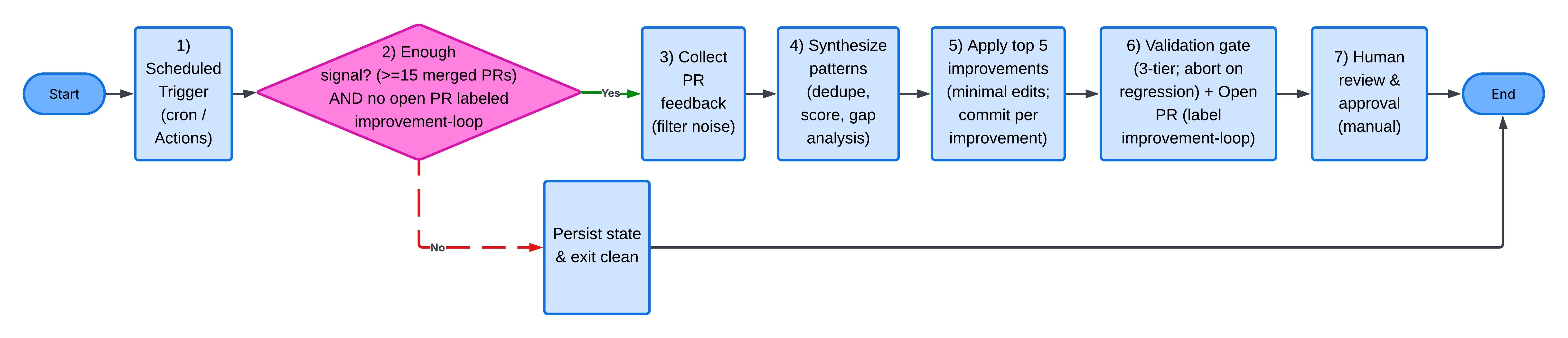
Closing the Loop: How to Build Self-Improving AI Systems with Automated Feedback Loops
After six cycles, the system ran out of things to fix. That sentence probably raises more questions than it answers. Here is how we got there. The first skill PR took three days to merge. Twelve comments on structure. Six on conventions. The contributor fixed everything, merged, moved on. The next contributor hit the same twelve walls. If you have reviewed enough pull requests, you have probably seen this pattern. An expert writes a thoughtful review comment. That comment fixes one PR. The
Learning a few things about running SQLite
Hello! I’ve been working on a Django site recently, and I decided to use SQLite as the database. When I was getting started with using SQLite as database for a website I read a bunch of blog posts about how it is totally fine to use SQLite in production for a small site and I think it is totally fine, but what I did not fully appreciate is that SQLite is still a database, databases are complicated, and I do not know a lot about operating databases. So here are a couple of small things I’ve b
The Dawn of AI Change-Control
In just eight days this past spring, five leading artificial intelligence labs shipped major platform upgrades. Between April 16 and April 24, Anthropic released Claude Opus 4.7, xAI released Grok 4.3, Google rolled out Gemini Deep Research Max, OpenAI launched ChatGPT 5.5, and DeepSeek deployed DeepSeek V4. These releases represent new capabilities for the average consumer, but for enterprise teams and computer scientists the swift pace presents a severe reliability problem. The pace of r
 Data Engineering
Building a soccer coaching app on Databricks
Tracking data is now the richest signal in sport, but the real gap is turning the...
 Infrastructure and DevOps
Eclipse Dataspace Components on AWS: Data sharing fundamentals
This three-part blog series guides you through implementing Eclipse Dataspace Components (EDC) on AWS, from foundational concept to production deployment. Part 1 establishes the theoretical foundation with IDSA standards, the Dataspace Protocol (DSP), and core EDC architecture. Part 2 provides production-ready AWS deployment patterns using services like Amazon Elastic Container Service (Amazon ECS), Amazon Aurora, and Amazon API Gateway. Part 3 completes the journey with cost optimization strate
 Infrastructure and DevOps
Eclipse Dataspace Components on AWS: Architecture patterns in production
Running Eclipse Dataspace Components (EDC) connectors in production on AWS requires deliberate architecture decisions around isolation, managed services, and security layering. In Part 1 of this series, we covered the fundamentals of data space architectures and EDC per the International Data Space Association’s (IDSA) standards. If you are new to EDC, we recommend starting there. We showed how connector functionality can be customized to support native integration with Amazon Web Services (AW
 Infrastructure and DevOps
Eclipse Dataspace Components on AWS: Cost optimization strategies
When you deploy Eclipse Dataspace Components (EDC) connectors on AWS, one of the first challenges you face is predicting and controlling the cost of the required infrastructure. Without clear benchmarks, it is difficult to make informed decisions about workload sizing, environment configuration, and long-term investment. Part 1 of this 3-part blog series covered the fundamentals of data space architectures and the EDC per the International Data Space Association’s (IDSA) standards. Part 2 exp
 Machine Learning and AI
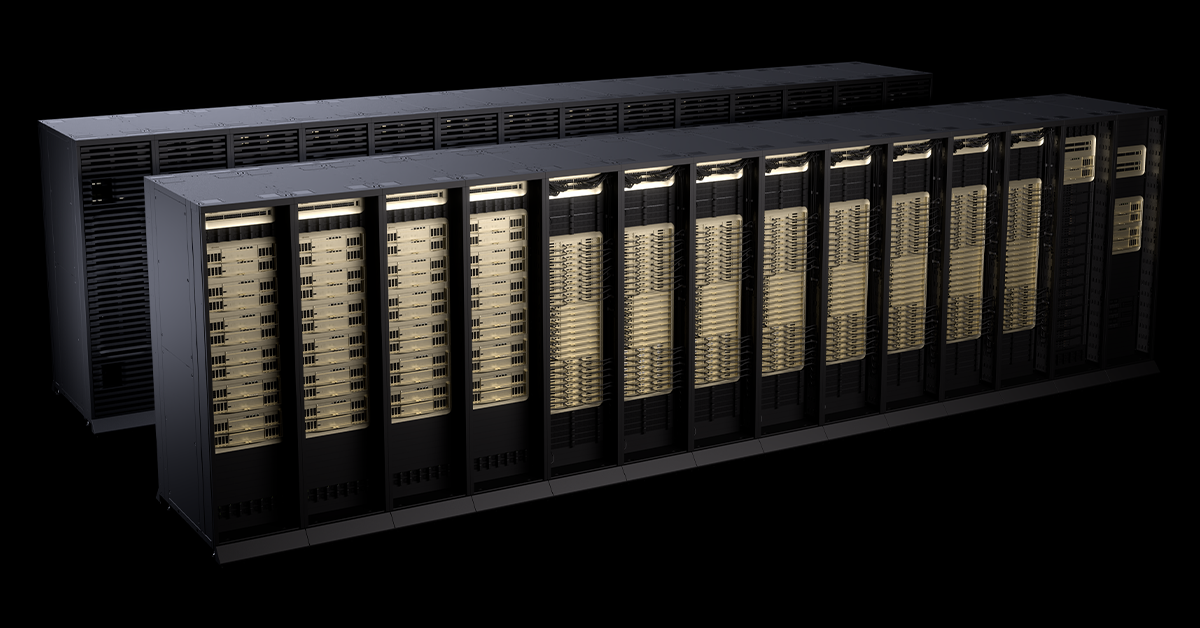
NVIDIA Vera Rubin Maximizes Intelligence per Dollar for Post-Training Workloads – a Key Metric for Agentic AI
Think of a professional athlete. What separates elite performers is what happens between games: continuous refinement, adjusting to new opponents and sharpening skills based on what the last game exposed. Agentic AI works the same way. A model is no longer asked for an answer. It’s given a goal and has to keep adapting as environments shift, edge cases emerge and tools change. Unlike a generative model responding to a prompt, an agentic model must plan, use different tools and recover from