Qwen3.7-Max: The Agent Frontier
 Google
College students drown out AI-praising commencement speeches with boos
 DuckDB
DuckDB 1.5.3: Not an Ordinary Patch Release
We are releasing DuckDB version v1.5.3. Despite being a “patch release”, it ships a ton of features through its extensions, starting with Quack, which is now available as a core extension, support for Quack in DuckLake, and several new features for Iceberg, AWS and HTTPS.
 EVs and Transportation
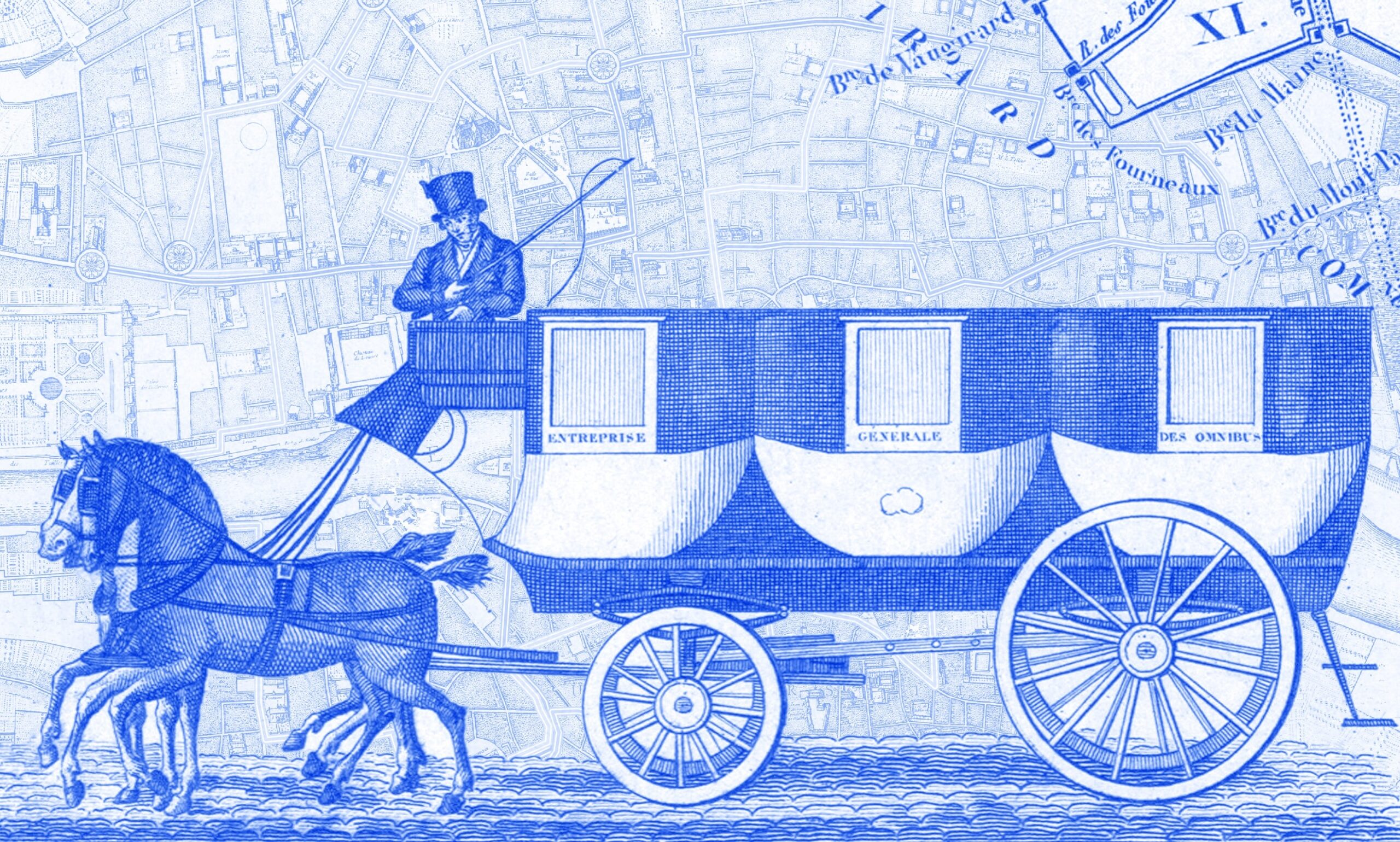
The Invention of Buses
 C++
C++
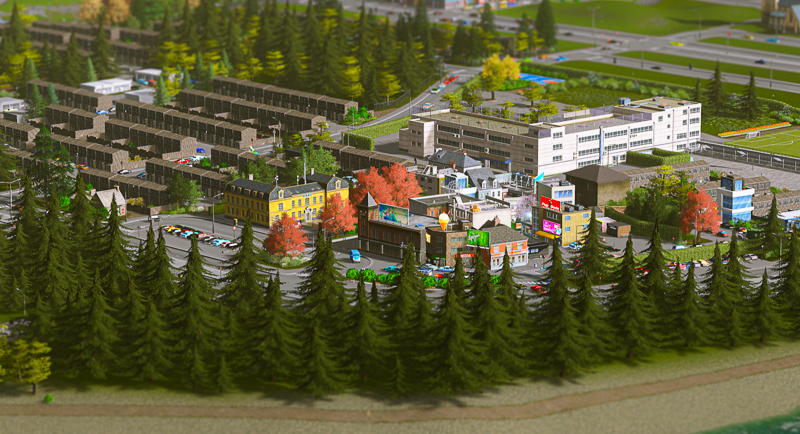
Cities: Skylines Uses a Stock-Market Analogy to Influence Gameplay
 Artificial Intelligence
Public have more fear than hope on AI and future of work, study finds
 Cloudflare
Railway GCP Account Suspension Incident Report
 Open Source
Grafana Labs GitHub repos breached via TanStack npm supply chain attack
The AI Quant Desk for Onchain Finance
Enabling Resizable Bar on RTX 3080 Vbios via GitHub
 Graphics and Rendering
Simulated Evolution on the PICO-8
 PostgreSQL
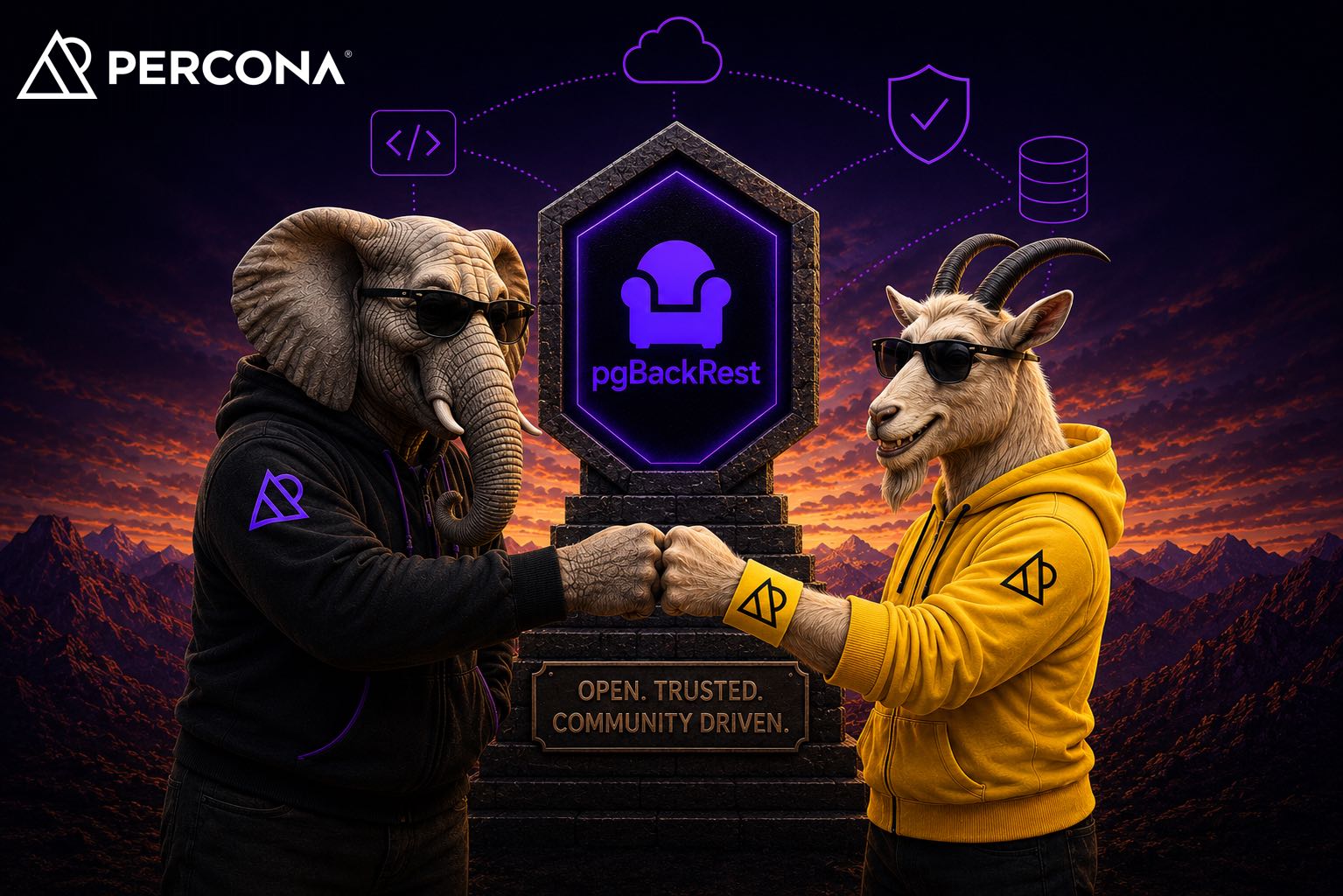
Jan Wieremjewicz: Keeping pgBackRest Open, Healthy, and Community Driven
When the future of pgBackRest suddenly became uncertain, the PostgreSQL ecosystem reacted quickly.At Percona, we believed the most important question was not: what replaces it? but: how do we ensure pgBackRest remains healthy, sustainable, and open for everyone? That distinction matters. pgBackRest is critical infrastructure used by enterprises around the world to protect some of their most important data. When projects like this face maintainership or sustainability challenges, organizat...
 Artificial Intelligence
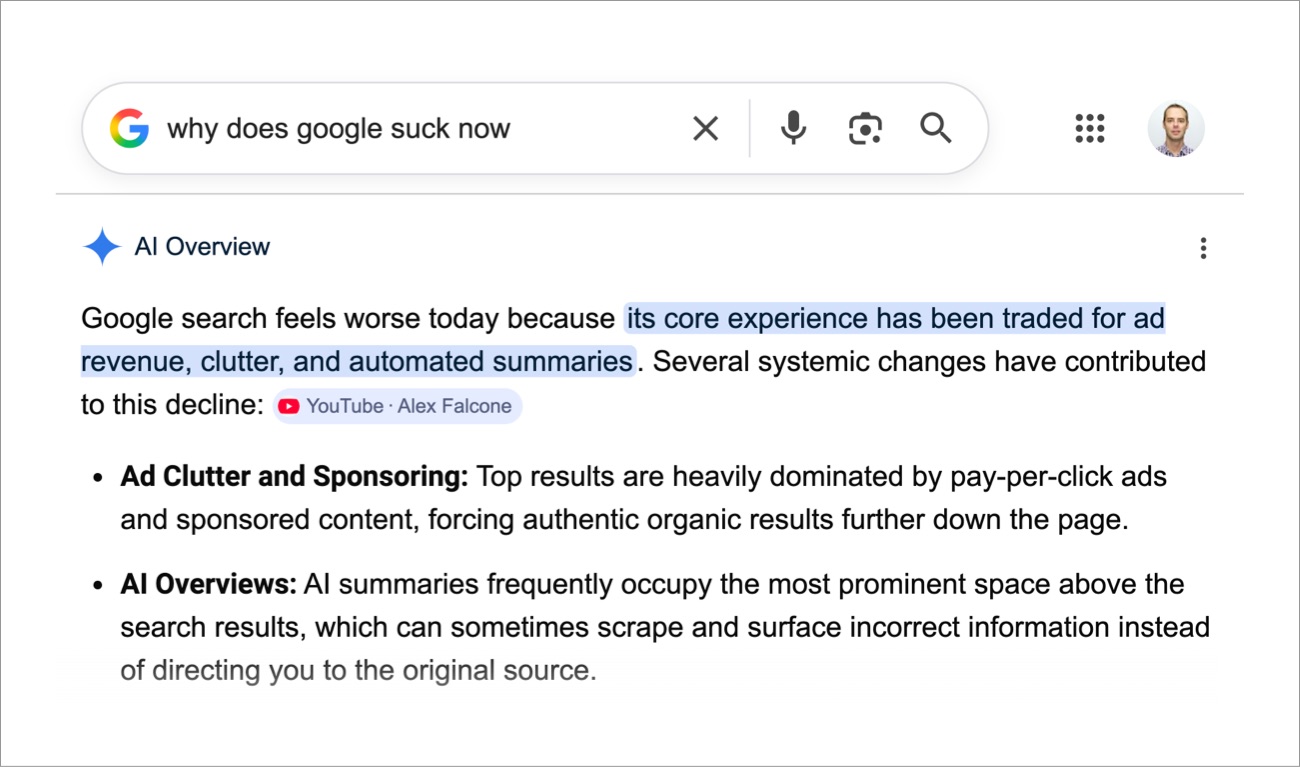
There's no earthly way of knowing which direction we are going
CopyFail: From Pod to Host
 Privacy
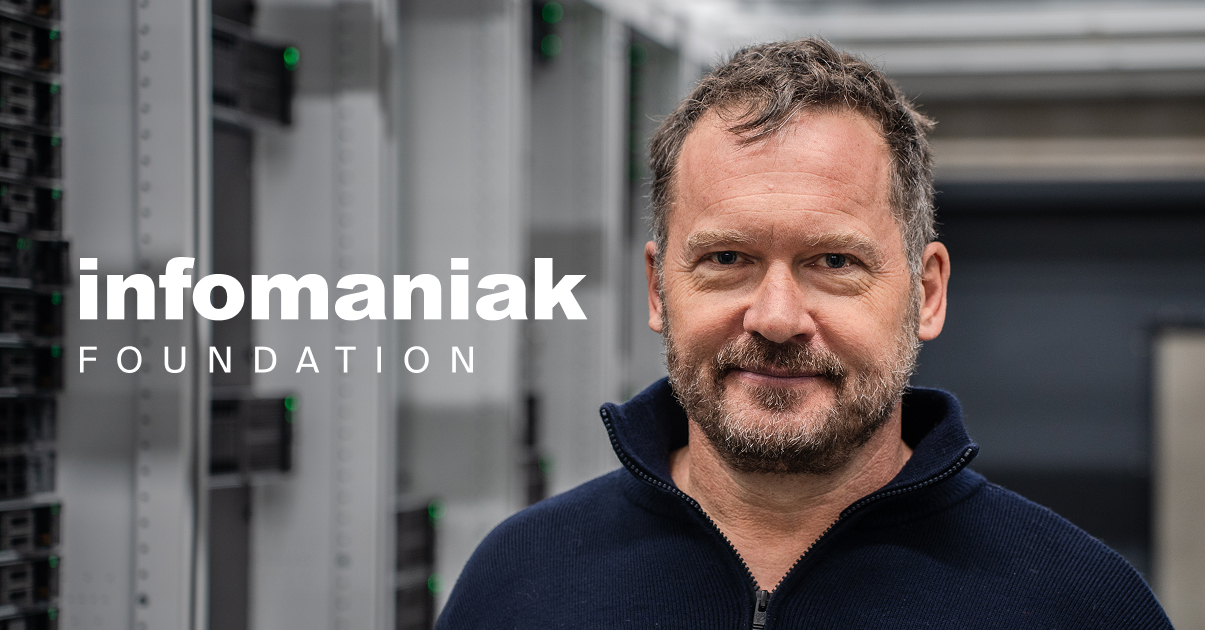
Infomaniak transitions to a foundation model to protect user data privacy
 NVIDIA
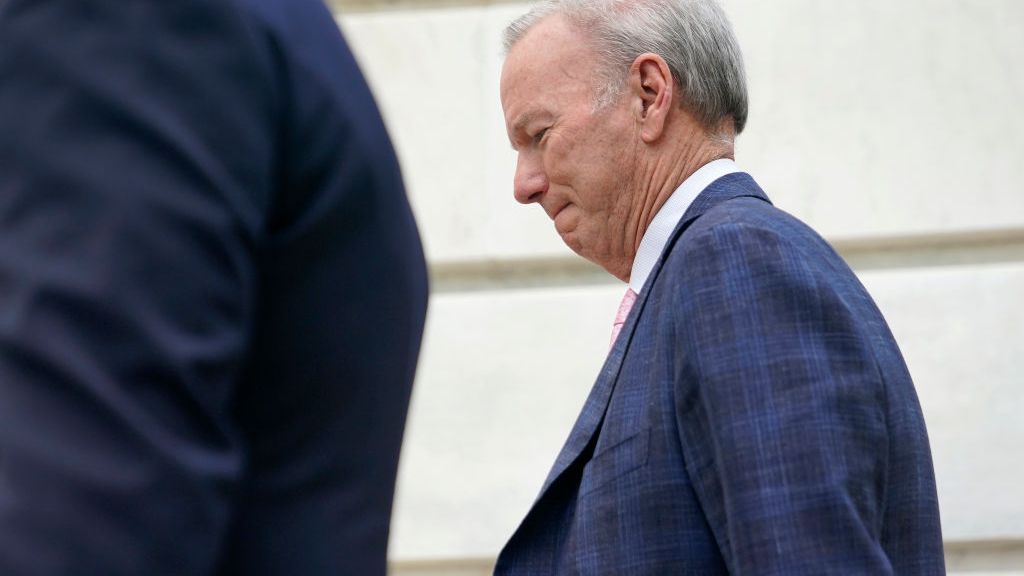
Ex-Google CEO Eric Schmidt booed at Arizona U commencement speech
 CVE and Exploit Development
GitHub Source Code Breach - TeamPCP Claims Access to Internal Source Code
Linker Code Size Optimization for Native Mobile Applications
Curly braces: An evolution of UNIX and C
haunt.nvim: Ghost text bookmarks for Neovim
 Apple
Apple
Ex-Apple engineer says Apple deliberately slows older phones via updates
Everything in C is undefined behavior
Nostalgic Electronics Kits Central
 Anthropic
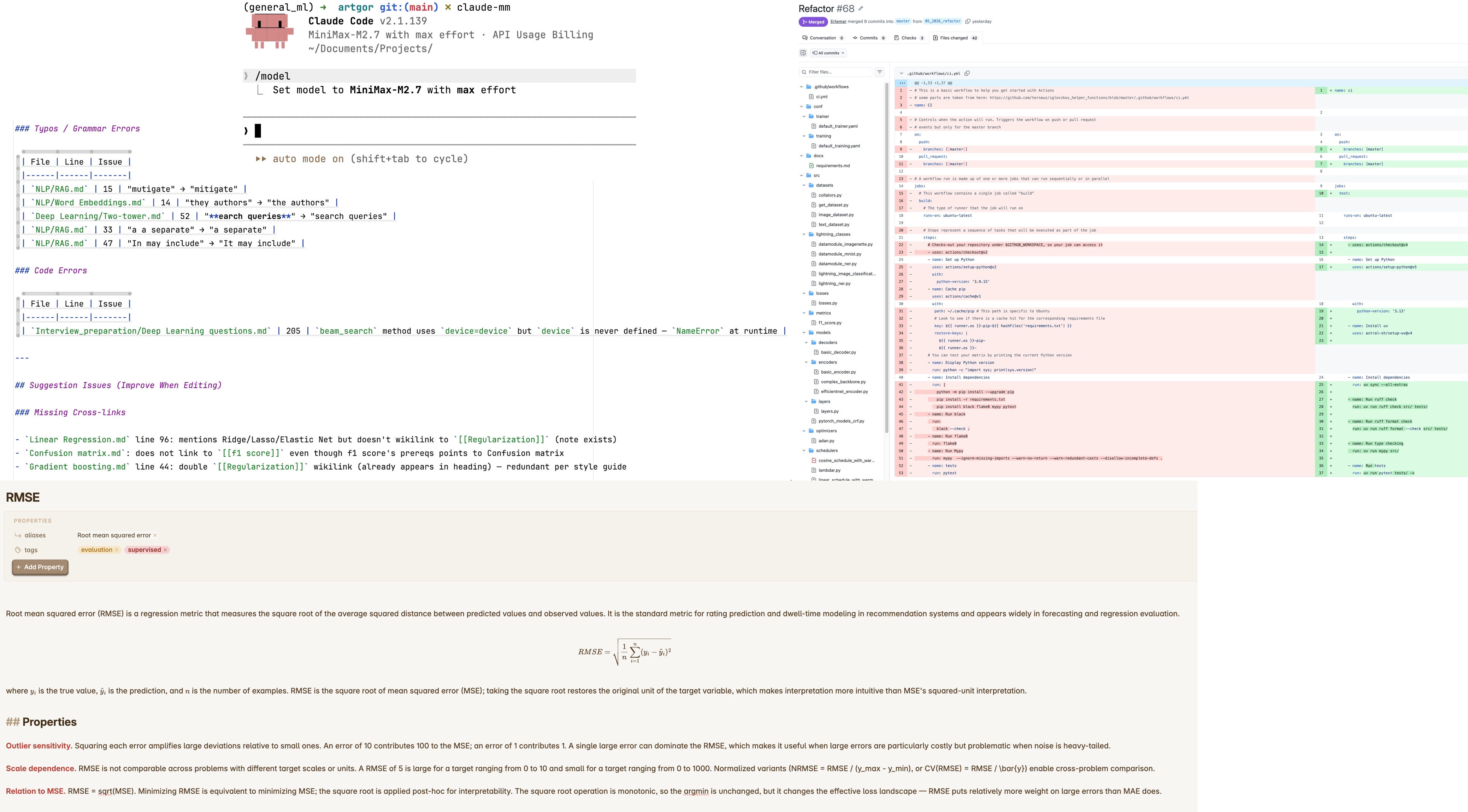
Testing MiniMax M2.7 via API on three real ML and coding workflows
 Google
‘Ask YouTube’ brings AI-powered conversational search to video, adds Gemini Omni to Shorts
 Mobile Development
Skills in Web, iOS, and Android
 Infrastructure as Code
Pack your agentic stack in Slack
Ryan welcomes Jaime DeLanghe, chief product officer at Slack, to chat about how they’re preparing to integrate everybody’s agents in their chat application.
Evals Will Break and You Won't See It Coming
 RAG
RAG
STAR: Semantic-Tuned and Tail-Adaptive Retriever for Graph-Augmented Generation
arXiv:2605.18765v1 Announce Type: new Abstract: To augment Large Language Models (LLMs) for multi-hop question answering, a mainstream solution within Graph Retrieval Augmented Generation (GraphRAG) leverages lightweight retrievers to efficiently extract information from a given Knowledge Graph (KG). However, existing methods often overlook the inherent challenge of sparse semantic information in graphs. Specifically, our experiments reveal that these methods produce biased retrieval Semanti...
Artificial Intelligence
From Intent to AI Pipelines: A Controlled Agentic Framework for Non-AI Expert Scientists
arXiv:2605.18764v1 Announce Type: new Abstract: Artificial Intelligence (AI) pipelines have become integral to modern research, supporting fields such as Medical Sciences, Agriculture, and Social Sciences, and enabling large-scale data analysis, predictive modeling, and the automation of complex tasks. However, designing and implementing AI solutions remains challenging for many researchers due to the expertise required in the design and development of end-to-end AI systems. To address this ...
Graph Databases
Query-Conditioned Graph Retrieval for Contextualized LLM Reasoning in Personalized Wearable Data
arXiv:2605.18763v1 Announce Type: new Abstract: Large language models (LLMs) are increasingly applied to analyzing wearable sensing data, which are long-term, multimodal, and highly personalized. A key challenge is context selection: providing insufficient context limits reasoning, while including all available data leads to inefficiency and degraded generation quality. We propose Wearable As Graph (WAG), a graph-based context retrieval framework that enables query-adaptive reasoning over we...
RAG
ALDEN: Boosting Private Data Extraction from Retrieval-Augmented Generation Systems via Active Learning and Distribution Estimation
arXiv:2605.18762v1 Announce Type: new Abstract: Retrieval-Augmented Generation (RAG) is widely used to augment large language models with external knowledge retrieval to improve reliability and generalization. However, recent studies have shown that RAG systems remain vulnerable to data extraction attacks, where adversaries can extract private data by embedding malicious commands into user queries. Despite their feasibility, existing attacks typically suffer from low data extraction rates an...
Embeddings
Balancing Teacher and Student Agency: Co-Orchestration Tool Design Supporting Real-Time Dynamic Pairing
arXiv:2605.18761v1 Announce Type: new Abstract: In human-AI interaction, respecting user agency is essential for fostering trust and sustaining effective use of technology. In educational settings, dynamically integrating individual and collaborative learning offers pedagogical value by supporting personalized, self-paced learning experiences. Prior research has demonstrated the feasibility of this approach through intelligent tutoring systems and human-AI co-orchestration tools. However, ho...
RAG
DOTRAG: Retrieval-Time Reasoning Along Paths
arXiv:2605.18760v1 Announce Type: new Abstract: Graph Retrieval-Augmented Generation (GraphRAG) is dominated by a retrieve-then-reason paradigm, where context is retrieved using heuristics and then reasoned over. Such methods struggle to adapt to the query-specific logic required for complex multi-hop tasks, often accumulating irrelevant context or missing correct relational paths. We propose DotRAG, a training-free GraphRAG framework that reformulates retrieval as a reasoning process over p...
AI Psychosis
Interoceptive Divergence in Aesthetic Evaluation and Implications for Human-AI Alignment
arXiv:2605.18759v1 Announce Type: new Abstract: Artificial intelligence (AI), exemplified by large language models (LLMs), is rapidly approaching and in some cases surpassing human performance across a wide range of cognitive tasks. However, human nature is not limited to intelligence alone; it also encompasses sensibility, including the capacity to perceive and experience beauty in visual scenes. This raises a fundamental question: how humans and AI systems converge or diverge in such aesth...
Artificial Intelligence
OmniGUI: Benchmarking GUI Agents in Omni-Modal Smartphone Environments
arXiv:2605.18758v1 Announce Type: new Abstract: Current benchmarks for graphical user interface (GUI) agents predominantly rely on static screenshots. However, real-world smartphone interaction routinely requires agents to process transient audio cues and temporal video dynamics that are tightly coupled with the moment of action. To bridge this gap, we introduce OmniGUI, the first step-level benchmark designed to evaluate GUI agents in omni-modal smartphone environments. OmniGUI provides con...
Computational Complexity
Cypher is Turing-Complete: A Formal Proof via 2-Counter Machine Simulation
arXiv:2605.18757v1 Announce Type: new Abstract: We prove that Cypher 25, the graph query language of Neo4j, is Turing-complete. The proof shows that a single RETURN statement using reduce(), CASE expressions, and list comprehensions can simulate any 2-counter machine (Minsky 1967). We address the bounded-step objection via two complementary resolutions and present a third graph-native simulation using quantified path patterns (QPP) with allReduce. All three constructions were verified on a l...
Kubernetes
Operational Memory Architecture for Kubernetes:Preserving Causal Context Across the Evidence Horizon
arXiv:2605.18755v1 Announce Type: new Abstract: Kubernetes clusters generate rich operational events during pod lifecycle transitions, yet the platform's native event retention model discards the most diagnostically valuable context. The LastTerminationState field, which records a container's last failure, is overwritten shortly after a pod restart. We define this as the evidence horizon. During high-frequency crash loops, this horizon may be crossed multiple times before inspection, permane...
 Privacy
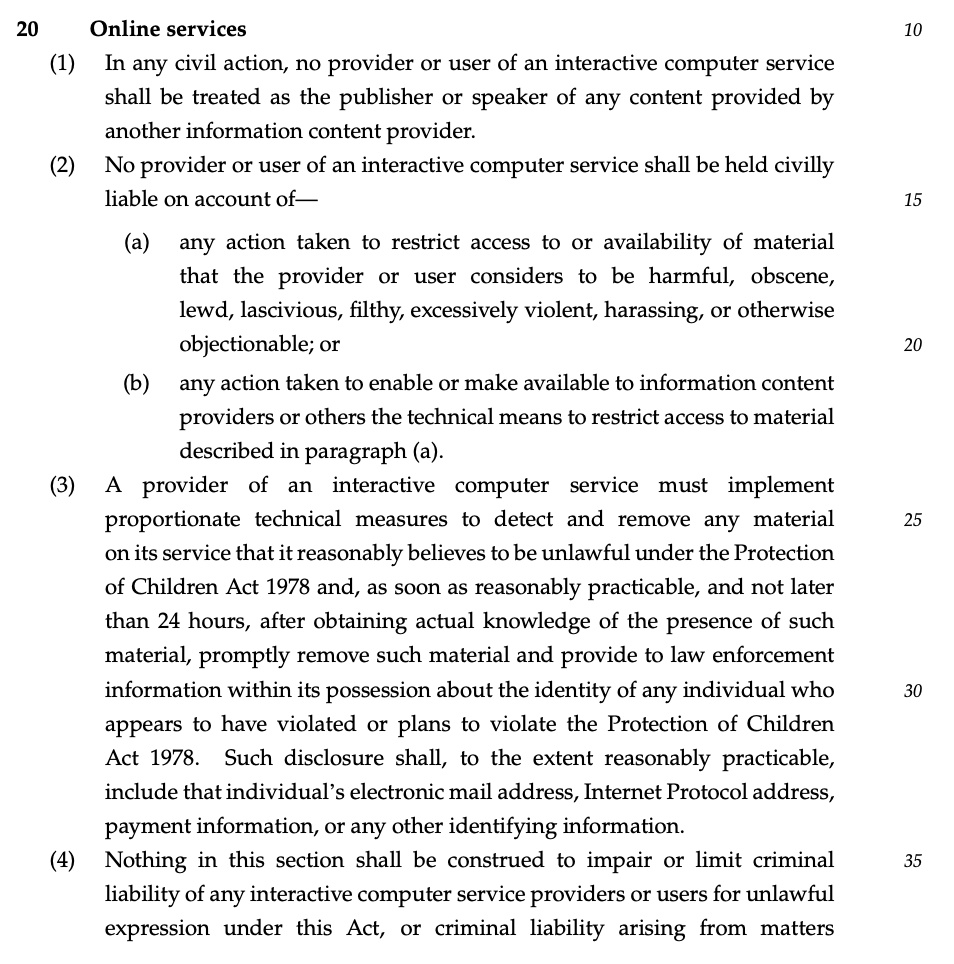
Architect of the UK Online Safety Act Calls for Its Complete Repeal
Microsoft is 1.84 Peters, Google is 0.66. What's the Peter unit?
HTML-in-Canvas Demos
The Mercury logic programming system
 Parquet and columnar formats
Christophe Pettus: All Your GUCs in a Row: bytea_output
PostgreSQL's `bytea_output` parameter controls how binary data is formatted when sent to clients: the modern `hex` format (default since 9.0) or the legacy…
Railway Is Down
Railway Is Having a Major Outage
Railway Blocked by Google Cloud
Unusual uses of OEIS sequences on GitHub
 Artificial Intelligence
From teen hacker to Iron Dome researcher, this founder raised $28M to fight AI phishing
 Meta AI
Researchers who use hallucinated references to face ArXiv ban
Tonic is joining the gRPC project
Java: Rethink Domain Primitives with Valhalla
Remove AI Watermarks
 Google
Google takes a page out of Meta’s book, announces new audio-powered smart glasses at IO 2026
Drone Swarms: Uncomfortably Plausible
 AI Coding Tools
Gemini CLI will stop working from June 18, 2026
 Google DeepMind
Google updates its Gemini app to take on ChatGPT and Claude at IO 2026
Show HN: Yt-x v0.8.0 – Browse, play, and download YouTube from the terminal
 Google DeepMind
Google just declared itself a contender in AI design at IO 2026
 Artificial Intelligence
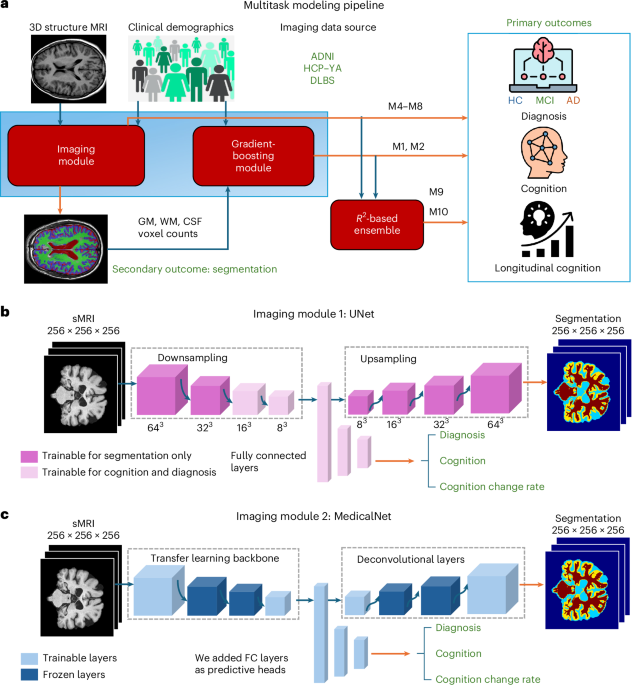
Predicting categorical&continuous Alzheimer's disease outcomes from 1 MRI scan
 Google
You can now talk to your Gmail inbox, as seen at Google IO 2026
Lisp in Web-Based Applications (2001)
 Artificial Intelligence
How to use Google’s new AI agents to go beyond your standard searches
 Privacy
Discord enables end-to-end encrypted voice and video calling for every user
 Defense Tech
Mach Industries just spent $50M to solve a major defense tech problem
Chasing down why installing the kernel segfaulted
I am not a Software Engineer
 xAI
xAI
Roundtables: Inside the Musk v. Altman Trial
Listen to the session or watch below Elon Musk lost his suit against OpenAI, in which he alleged CEO Sam Altman and President Greg Brockman had deceived him over the company’s non-profit status. Watch as AI reporter and attorney Michelle Kim, who covered the trial for MIT Technology Review, joins in conversation with editor in…
 EVs and Transportation
US transportation bill would add a $130 annual fee for EV drivers
 Artificial Intelligence
Growing Neural Cellular Automata
Why the Best Model Won’t Save You
We're still mostly measuring search the way we measured it when humans were the consumers.
 xAI
xAI
Elon Musk said Sam Altman “stole” a non-profit — but the trial showed he had similar aims
 OpenAI
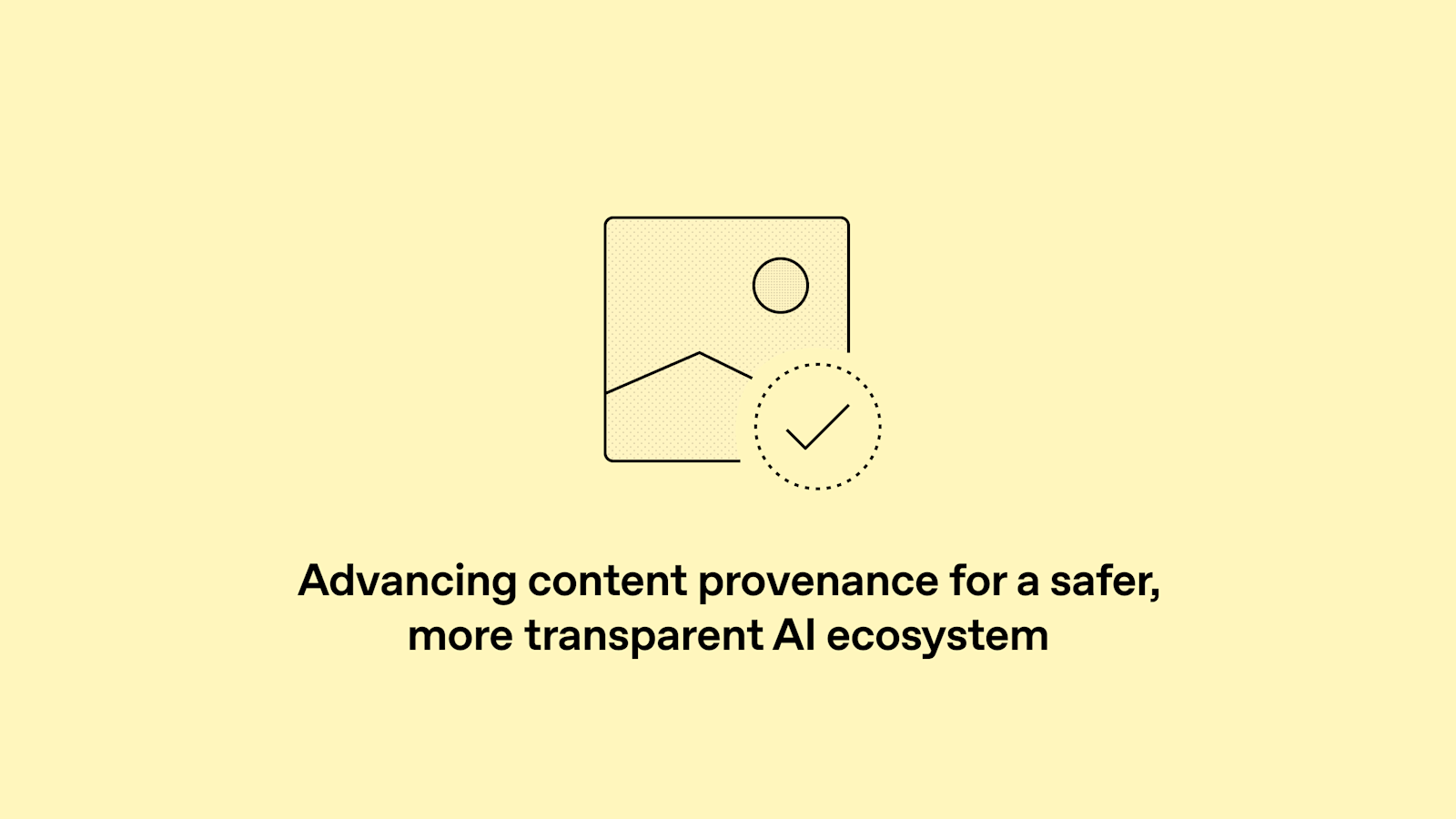
OpenAI Adopts Google's SynthID Watermark for AI Images with Verification Tool
Crossview 4.4.0 is now available
Programming as Theory Building (1985) [pdf]
 EVs and Transportation
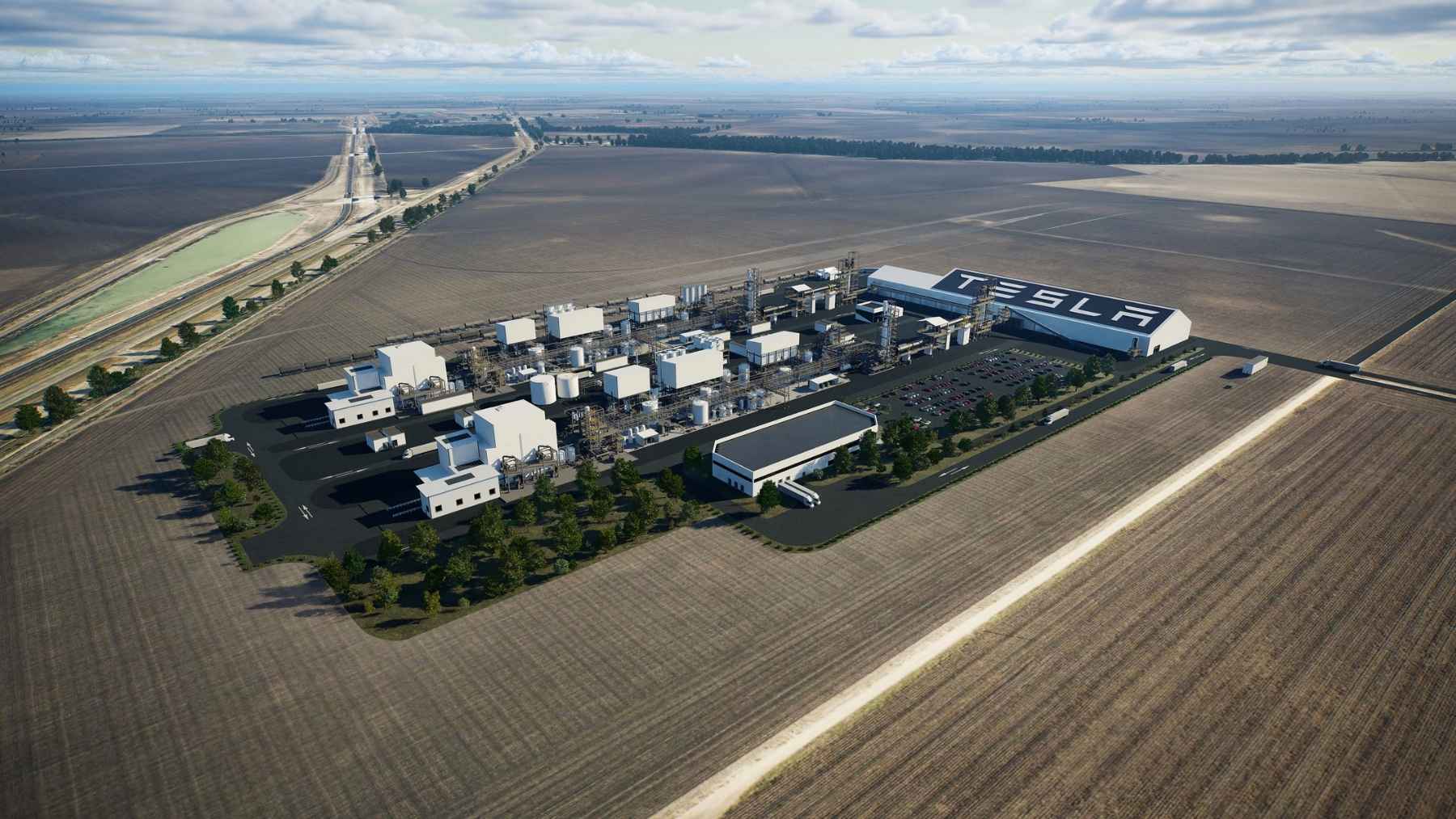
Tesla's lithium refinery discharges 231,000 gallons of polluted wastewater a day
The TTY Demystified (2008)
 Open Source
Dumb Ways for an Open Source Project to Die
 Anthropic
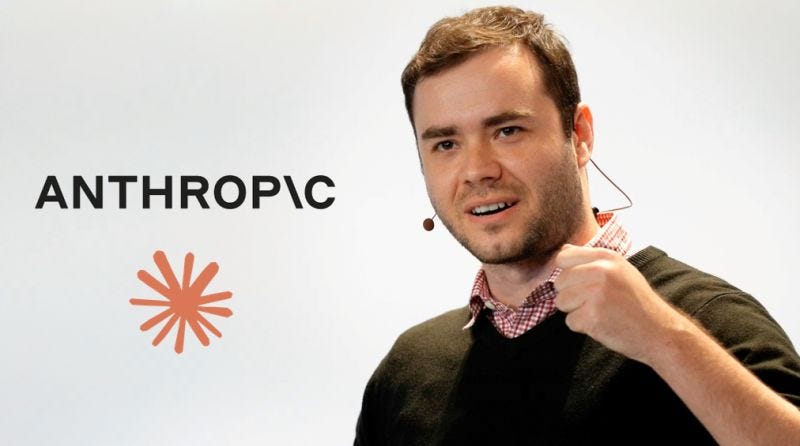
Andrej Karpathy Joins Anthropic
 xAI
xAI